

Melania movie meltdown: Trump panics as melania’s movie flop just destroyed his entire sunday.
A White House Premiere, a Fatal Shooting, and a Growing Political Backlash
WASHINGTON — On a winter evening marked by national tragedy, President Donald Trump and First Lady Melania Trump hosted a private White House screening of Melania, a $75 million documentary produced and distributed by Amazon MGM Studios. The event, which unfolded just hours after a U.S. Border Patrol agent fatally shot an intensive care nurse in Minneapolis, has ignited fierce criticism from lawmakers and renewed scrutiny of the administration’s priorities, ethics, and relationship with corporate power.
The screening took place Saturday night in the East Wing, in a makeshift theater assembled after the demolition of the White House Family Theater to accommodate construction of a $400 million ballroom — one of several Trump-era renovations that have drawn controversy for their cost and extravagance. According to reporting by The Daily Beast and Puck News, the guest list included a striking mix of political figures, celebrities, and technology executives, among them Queen Rania of Jordan, Apple Chief Executive Tim Cook, former heavyweight boxing champion Mike Tyson, and self-help entrepreneur Tony Robbins.
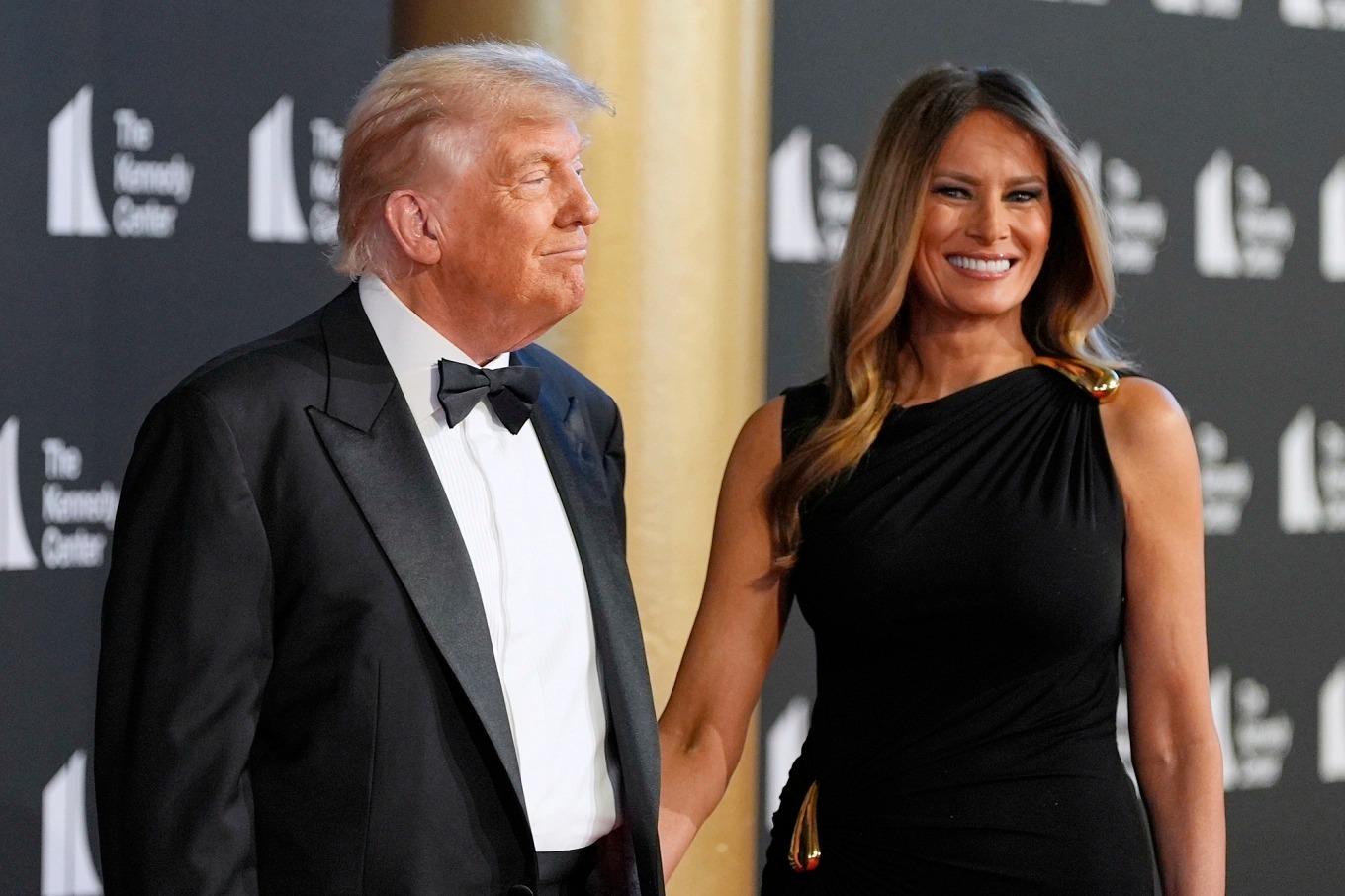
The documentary itself, which Amazon reportedly purchased for $40 million and promoted with an additional $35 million marketing campaign, profiles the first lady’s life and role in the Trump presidency. The film opens nationwide this week and is scheduled for a public premiere at Washington’s Kennedy Center — recently rebranded by the administration as the Trump Kennedy Center — followed by a promotional appearance by Mrs. Trump at the New York Stock Exchange.
But the White House celebration collided with unfolding events that have reshaped the political conversation. Earlier that day, a Border Patrol agent shot and killed Alexander Prey, a 37-year-old ICU nurse, during an encounter that was captured on video and rapidly circulated online. The footage appeared to contradict initial statements by the Trump administration suggesting that Prey had posed a lethal threat.
The shooting prompted swift condemnation from Democratic lawmakers, who described it as emblematic of broader concerns about the conduct of federal immigration enforcement agencies. Several Democrats pledged to oppose an upcoming funding package for the Department of Homeland Security unless significant reforms are enacted — a move that could bring the federal government to the brink of a shutdown.
Even some Republicans expressed unease. Senator Bill Cassidy of Louisiana called the incident “incredibly disturbing” and urged a full joint federal and state investigation.
Against that backdrop, images of a red-carpet-style screening at the White House — complete with commemorative popcorn boxes and souvenir tickets — struck many as jarring.
“So, what is the president up to?” Representative Alexandria Ocasio-Cortez of New York wrote on social media. “Having a movie night at the White House. He’s unfit.”
The criticism intensified as reports emerged detailing Amazon’s deep financial ties to the federal government. The company holds billions of dollars in government cloud-computing contracts and is currently facing multiple antitrust actions. Jeff Bezos, Amazon’s founder, dined with Mr. Trump at Mar-a-Lago shortly before the documentary deal was announced, according to Puck. Amazon also donated $1 million to Mr. Trump’s inaugural fund.
Industry analysts quoted by Wealth of Geeks and other entertainment outlets have projected a bleak financial outlook for the film. Box office estimates suggest the documentary could earn as little as $1 to $2 million in its opening weekend — a fraction of its production and marketing costs. Comparable films with far smaller budgets have grossed hundreds of millions of dollars worldwide, underscoring the commercial risk Amazon assumed.
That risk, critics argue, was not purely artistic.
“To many observers, this looks less like a conventional studio decision and more like a corporate gesture toward political favor,” said one former Federal Trade Commission official, speaking on condition of anonymity to discuss ongoing investigations.
The optics were further complicated by the broader national emergency unfolding outside Washington. As the screening took place, severe winter storms battered large portions of the Midwest and Plains states, prompting emergency declarations in more than two dozen states. Millions faced power outages, hazardous travel, and subzero temperatures.
Democratic leaders contrasted those conditions with the White House’s celebratory posture. “This administration appears more focused on self-promotion than on governance,” one senior House aide said.
The Trump administration has rejected such criticism. In a statement, a White House official said the screening had been scheduled well in advance and emphasized that the president was “fully briefed” on the Minnesota shooting and the storm response. The official described the documentary as “a cultural project highlighting the first lady’s historic role.”
Still, the episode has become a flashpoint in a larger debate about ethics, power, and accountability in Mr. Trump’s second term. Ethics watchdogs have long warned that the blending of public office with private commercial interests poses risks to democratic norms. Those concerns have sharpened as the administration increasingly uses federal venues and platforms to promote projects linked to the Trump family.
Mr. Trump himself has embraced the controversy. He pinned a post on Truth Social promoting Melania as “an unforgettable behind-the-scenes look at one of the most important events of our time,” and has continued to defend his administration’s immigration policies despite mounting criticism.
For Democrats, the moment has reinforced a central campaign argument ahead of the midterm elections: that congressional oversight is the only remaining check on a presidency they view as increasingly unrestrained.
“It cannot be overstated how important it is that Democrats carry the midterms,” said one party strategist. “Without a majority, there is very little capacity to slow this down.”
In a remark that has circulated widely online, Mr. Trump appeared to acknowledge the stakes. “If we don’t win the midterms,” he said recently, “they’ll find a reason to impeach me. I’ll get impeached.”
Whether the controversy surrounding Melania will have lasting political consequences remains uncertain. But for now, the image of a White House premiere unfolding amid national grief has become a potent symbol — one that encapsulates the tensions, contradictions, and unresolved questions defining this moment in American politics.