

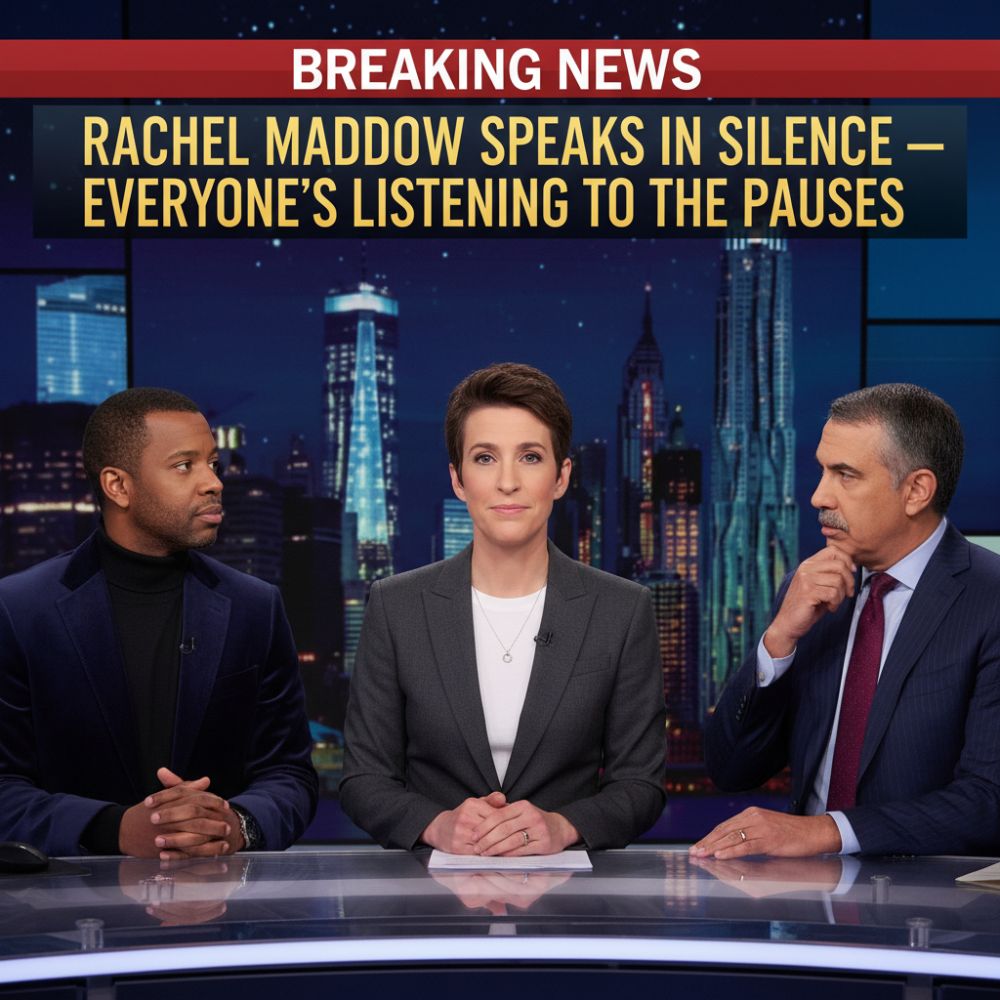
When the event listing quietly appeared, it didn’t look like a moment designed to shake headlines. No bold claims. No provocative quote pulled for attention. Just a familiar name and a familiar venue: Rachel Maddow, arriving in Vancouver this March to speak at the Chan Centre for the Performing Arts at the University of British Columbia.
Yet for those who follow American political media closely, the announcement landed with an unusual weight.
Maddow, host of The Rachel Maddow Show on MSNBC and one of the most decorated figures in modern broadcast journalism, is no stranger to public appearances. Over the past two decades, she has collected a Peabody Award, multiple Emmys, a Grammy, and the Walter Cronkite Award for Excellence in Journalism. Her voice is steady, methodical, and historically grounded—qualities that have earned deep trust among audiences seeking clarity in turbulent political times.
So why does this appearance feel different?
The talk is part of UBC’s Lind Initiative, an annual lecture series known for hosting figures who arrive at moments of geopolitical tension rather than calm reflection. Past speakers have included Ta-Nehisi Coates, Susan Rice, and Adam Kinzinger—individuals whose insights often resonate precisely because of what is unfolding beyond the stage.
This year’s theme, America First, America Alone?, is doing quiet but heavy lifting.
It’s a title that doesn’t accuse, doesn’t predict—but invites interpretation. It gestures toward isolationism, global strain, and internal fracture without naming a single headline.
Earlier this year, the series hosted Thomas L. Friedman, a three-time Pulitzer Prize winner known for mapping America’s shifting role on the world stage. His appearance framed the conversation. Maddow’s talk now follows.
According to the event description, her appearance promises insight into democracy, modern-day extremism, and America’s evolving place in the world. All familiar territory for her. And yet, there’s something notable in what isn’t being emphasized.
There is no reference to a specific election.
No mention of an urgent crisis.
No framing of the talk as a rebuttal or warning.
Instead, the language is restrained—almost cautious.
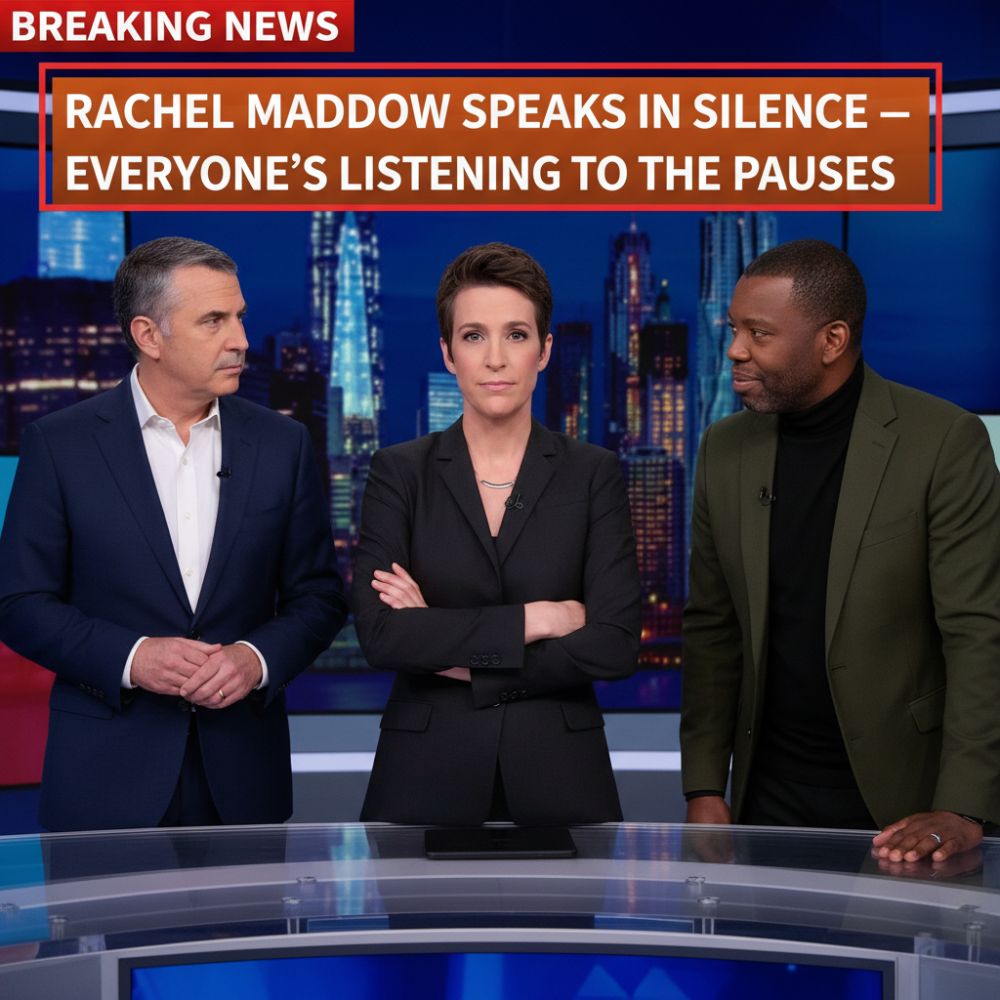
Media observers point out that Maddow has recently shifted into a more selective on-air presence, stepping back from nightly broadcasts while maintaining a strong editorial influence. When she chooses to appear publicly now, the choice tends to be deliberate.
That’s what’s catching attention.
The Chan Centre is known for its acoustics and its intimacy—qualities that encourage listening rather than spectacle. The Lind Initiative itself favors long-form thought over soundbites. Together, they create a setting where pauses matter as much as words.
And in a moment when American political discourse often arrives loud and polarized, a quiet lecture north of the border invites questions of its own.
Is this a reflection?
A recalibration?
Or simply a continuation of a conversation that hasn’t ended—only changed shape?
UBC hasn’t hinted at surprises. Maddow hasn’t previewed her remarks. There’s no controversy attached, no official tension to point to. Still, the combination of timing, theme, and restraint has left some audiences reading between the lines.
Sometimes, it isn’t what’s said that draws attention.
It’s when—and where—someone chooses to speak.
And for now, the story doesn’t resolve.
It lingers.
What exactly will be addressed on that stage—and why now—remains an open question.