


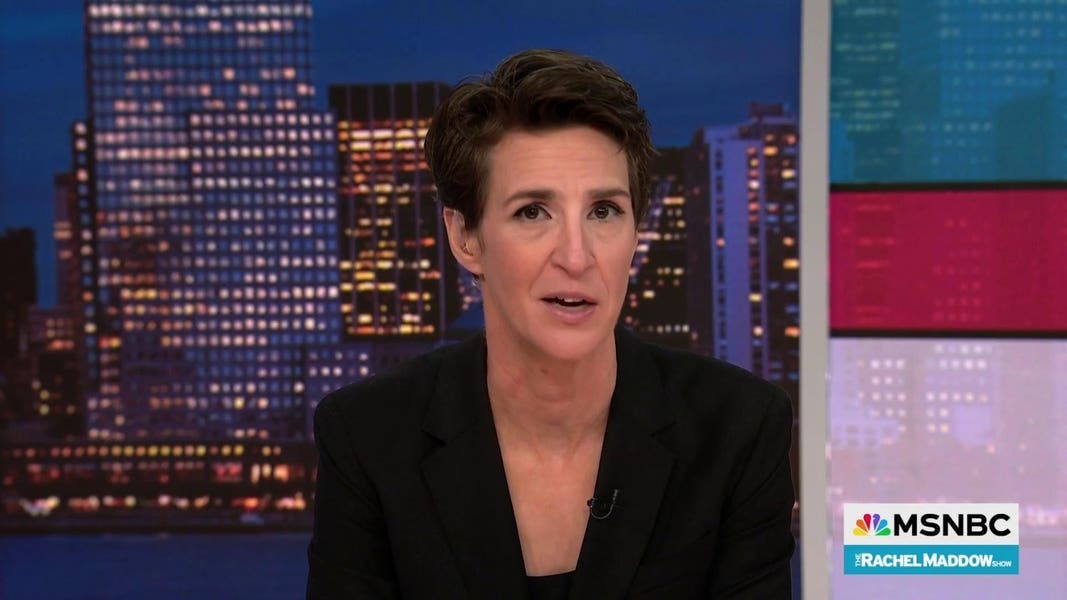
In the latest episode of The Rachel Maddow Show aired on February 1, 2026, host Rachel Maddow opened with a riveting analysis of a political earthquake in Texas, framing it as a potential bellwether for the 2026 midterms.
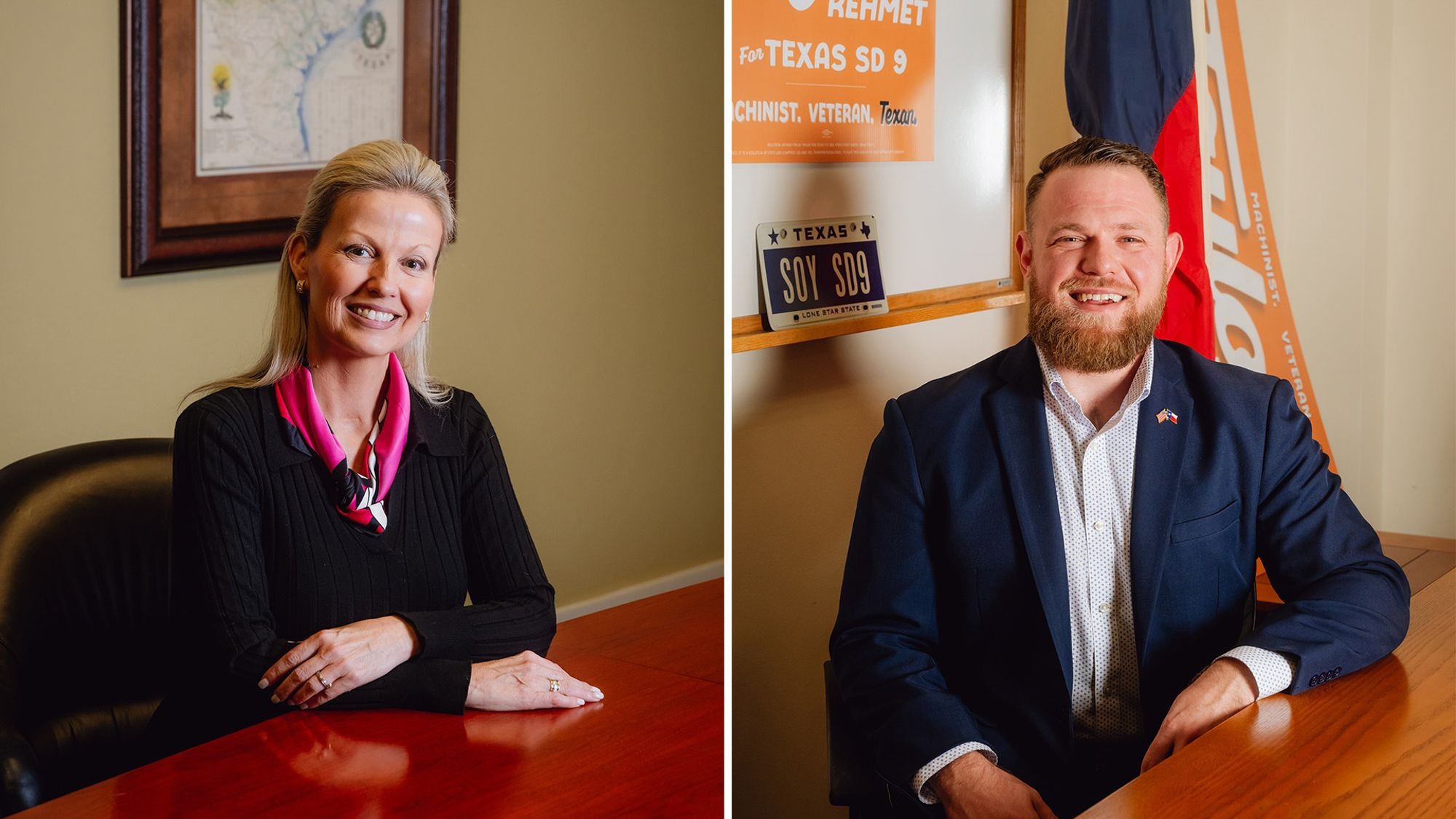
Known for her data-driven style, Maddow dissected the special election in Senate District 9, where Democrat Taylor Rehmet achieved a stunning victory over Republican Leigh Wambsganss in a deeply red Tarrant County district.
This upset, she argued, highlights growing voter dissatisfaction with Republican extremism, setting the stage for broader discussions on Epstein revelations and ICE overreach.
Maddow’s delivery was characteristically emphatic yet objective, weaving historical context into current events to emphasize the stakes for American democracy.
The segment began with the Texas election, where Rehmet, a first-time candidate and pro-union veteran, secured nearly 57% of the vote against Wambsganss, who had ties to far-right groups like Patriot Mobile and outspent her opponent significantly.
Maddow highlighted how Tarrant County, once a Republican stronghold that Trump won by 17 points in 2024, flipped due to backlash against anti-DEI campaigns and culture wars. This victory, she noted, echoes recent conservative losses in local school board elections, signaling a reckoning for the GOP’s Trump-aligned faction.
According to reports, Rehmet’s win injected panic into Republican circles from Austin to the White House, as it challenges the party’s dominance in Texas ahead of November.
Wambsganss, backed by Trump and figures like Steve Bannon, represented the MAGA wing’s push into local politics, but voters rejected her platform focused on book bans and anti-LGBTQ policies. Maddow played a clip of Trump dismissing the loss, underscoring his detachment from grassroots shifts. Guests Molly Jong-Fast and Maria Teresa Kumar analyzed how Democrats like Rehmet persuaded independents by emphasizing economic issues over partisanship.
This result could bolster Democratic chances in upcoming Senate races, including against figures like Ken Paxton, amid internal GOP splits.
Shifting to Tarrant County’s role, Maddow used maps to illustrate its bellwether status, noting how the district’s demographics—mixing urban Fort Worth with conservative suburbs—mirror national trends.
Historically, the area has leaned Republican, but recent shifts in voter turnout and priorities like public education have eroded that edge. The election serves as a referendum on Trumpism, with implications for redistricting and 2026 strategies.
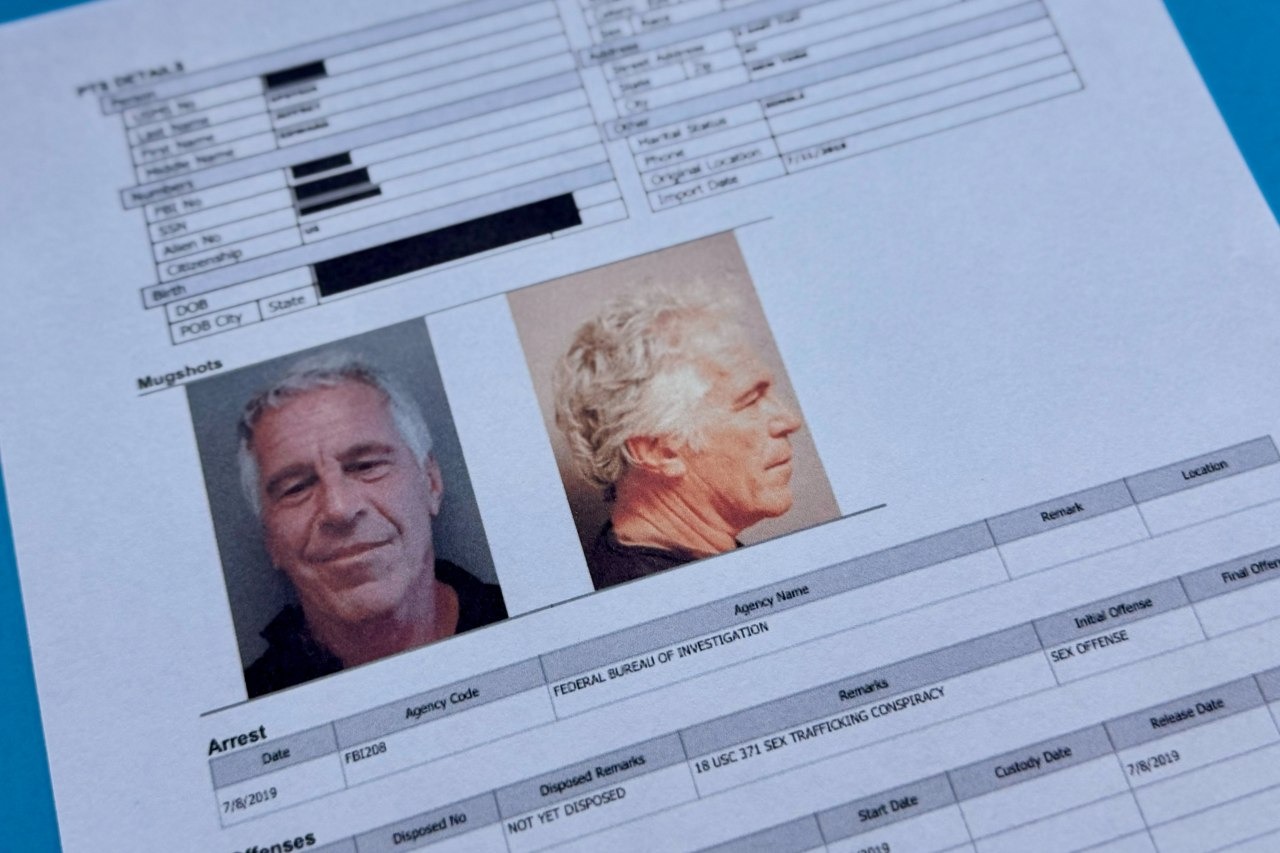
Transitioning to the Epstein files, Maddow critiqued the Justice Department’s sloppy release of documents revealing post-2008 connections to elites like Elon Musk, Steve Bannon, and Howard Lutnick. She detailed a 2012 email from Musk inquiring about Epstein’s “wildest party” on his island, despite Musk’s denials of visits. No criminal evidence emerged, but Maddow stressed the opacity harming victims and public trust.
The files also showed Bannon’s extensive texts with Epstein and Lutnick’s family visit to the island, contradicting his claims of limited ties.
Maddow’s analysis tied these revelations to broader accountability issues in Washington, calling for congressional hearings to address the mishandled release. Guests like Jong-Fast lambasted the process as reducing the documents’ value, potentially shielding powerful figures. This segment underscored Maddow’s skill in connecting scandals to democratic erosion, using quotes and timelines for clarity.
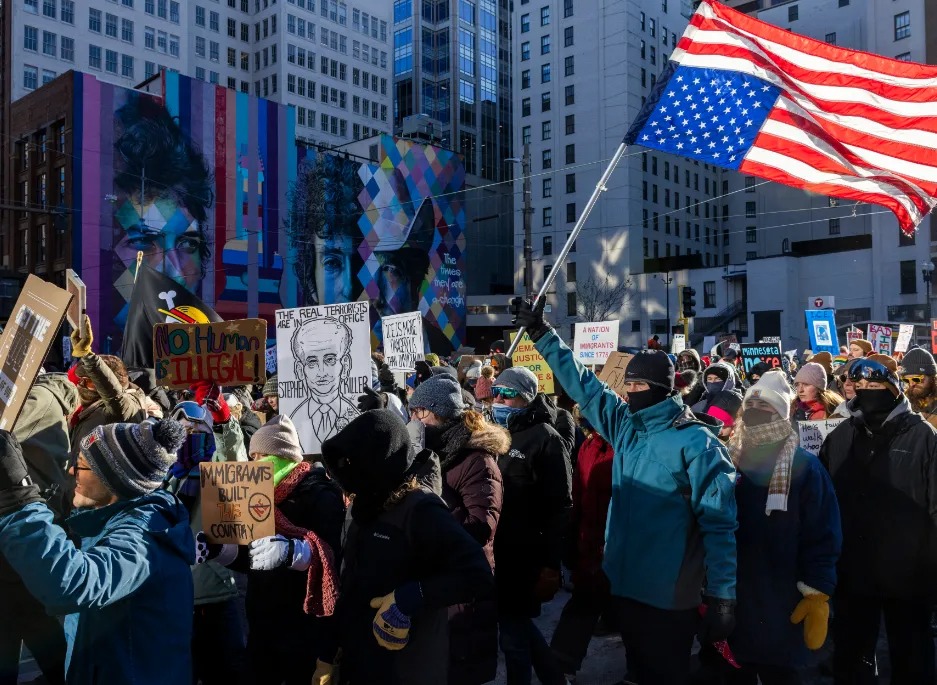
In the final major topic, Maddow addressed ICE’s overreach in Minneapolis under Operation Metro Surge, where agents detained U.S. citizens and drew guns on a woman recording an operation. She aired dashcam footage of the incident, where the woman refused to exit her car and called 911, leading to her release but DHS labeling her an “agitator.” Maddow highlighted two fatal shootings of citizens, framing it as authoritarian tactics sparking backlash.
The operation, aiming for 3,000 arrests of “criminal illegal aliens,” has involved violence against protesters and ignored court orders, per reports.
Protests have swelled, with thousands braving cold to decry the crackdown, drawing historical parallels to past overreaches like Kent State. Maddow and guest Paul Butler discussed legal precedents, noting filming police is protected and guns were unjustified. This has led to lawsuits and calls for restraint, as the surge risks racial profiling and citizen rights violations.
Maddow closed by teasing a heartbreaking story of a father detained by ICE, denied attending his child’s funeral, emphasizing human costs.
In conclusion, Maddow’s episode painted a picture of a nation at a crossroads, where local upsets, elite scandals, and enforcement abuses threaten democratic norms. Her methodical breakdown leaves viewers pondering: Will these signals prompt change, or deepen divisions ahead of 2026?