

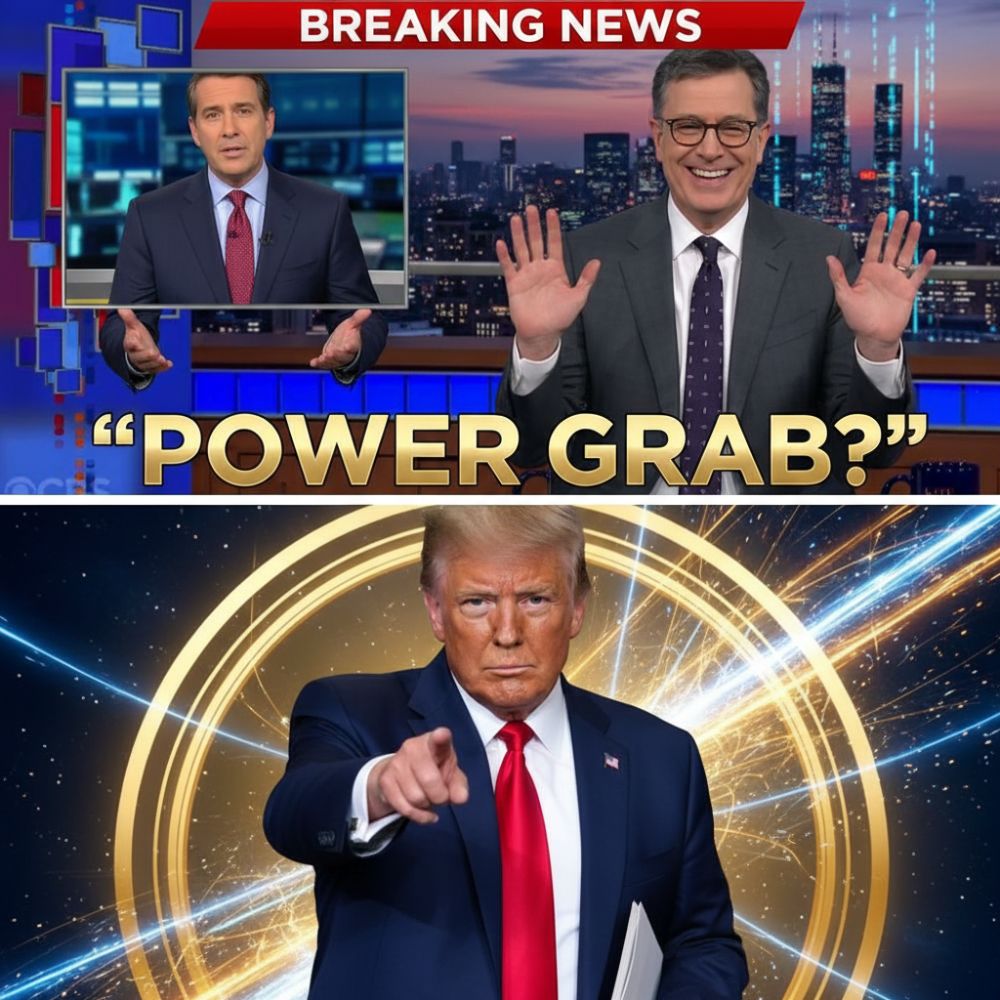
The United States is facing a moment of political turbulence that many observers believe could reshape the balance of power between federal and state governments.
President Donald Trump’s public push to remove election oversight from the states and place it under tighter Republican-backed federal control has triggered intense backlash from civil rights groups, election officials, and constitutional scholars.
For more than two centuries, the administration of elections in the U. S.
has largely been handled by individual states, a system rooted in federalism and designed to prevent the concentration of power.
Trump’s proposal challenges this tradition, arguing that centralized oversight is necessary to ensure “fairness” and “security” in future elections.
Supporters claim that uniform federal standards would reduce fraud and restore public trust.
Critics, however, warn that such a move could open the door to political manipulation and authoritarian overreach.
Legal experts point out that the Constitution grants states broad authority over how elections are conducted, with federal intervention limited to specific areas such as voting rights protections.
Any sweeping transfer of power would likely face immediate court challenges.
Several state governors have already signaled resistance, stating that election control is a cornerstone of state sovereignty and democratic accountability.
As tensions over election authority escalate, the Department of Justice has found itself at the center of another storm.
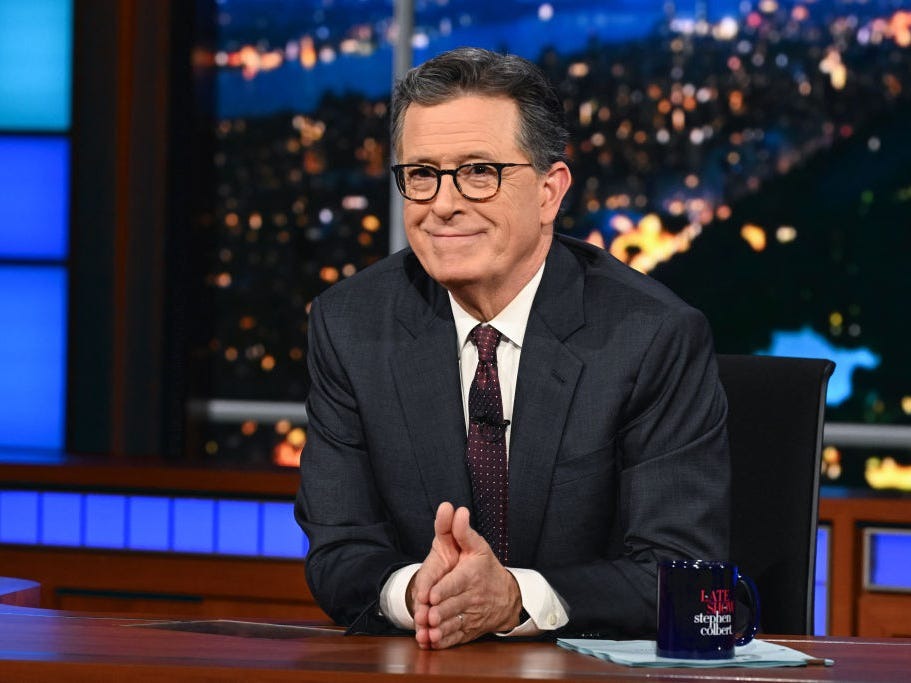
Deputy Attorney General Todd Blanche’s comment regarding Jeffrey Epstein has drawn fierce condemnation.
While Blanche appeared to be making a narrow legal point-that association alone is not a criminal offense-many Americans heard something far more troubling: a perceived minimization of the moral and ethical implications of proximity to one of the most infamous figures in recent history.
Epstein’s case remains a symbol of systemic failure and elite impunity in the eyes of the public.
Survivors of abuse and advocacy groups argue that statements like Blanche’s reinforce the belief that powerful individuals are shielded from scrutiny, even when linked to deeply disturbing networks.
Social media platforms have exploded with anger, with users accusing the government of tone-deafness and moral blindness.
The convergence of these two controversies has intensified a broader crisis of trust.
Public confidence in democratic institutions and the justice system has been steadily eroding, and many fear that these developments could accelerate that decline.
Political analysts warn that when election systems and legal accountability are both perceived as compromised, the foundations of democratic legitimacy begin to crack.
Within Congress, lawmakers are sharply divided.
Some Republicans have embraced Trump’s call for centralized election oversight, framing it as a necessary response to alleged irregularities in past elections.
Democrats and a number of independents, however, see the proposal as a direct threat to democratic norms and a dangerous step toward consolidating power at the federal level.
Civil liberties organizations are preparing legal challenges, arguing that any attempt to strip states of their election authority would violate constitutional principles and undermine local democratic control.
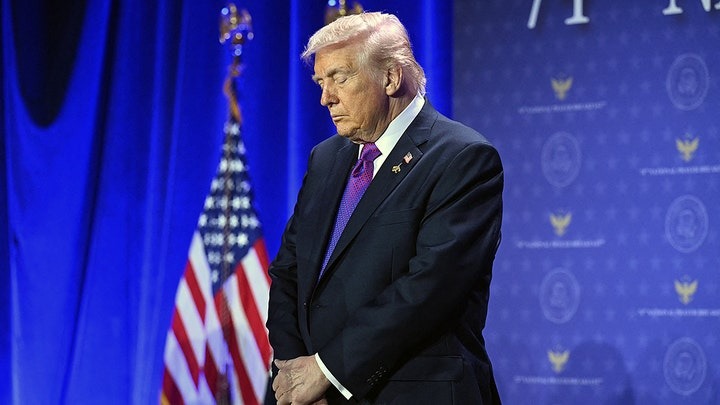
Meanwhile, election officials across multiple states have issued statements defending the integrity of their systems and rejecting claims that federal takeover is needed.
The Epstein-related controversy adds another layer of volatility to the political climate.
It has reopened wounds that never fully healed after the financier’s death and renewed scrutiny of how elites interact with systems of power.
For many Americans, the issue is not merely legal but moral: what does it say about a society when proximity to such figures is publicly downplayed by senior justice officials?
Together, these developments paint a picture of a nation grappling with fundamental questions about power, accountability, and trust.
Is the push to centralize election control a legitimate reform effort, or a strategic attempt to reshape the political battlefield?
Does the government’s rhetoric around elite misconduct reveal a deeper disconnect from public outrage and ethical expectations?
As the political temperature continues to rise, one thing is clear: the battle lines are being drawn not only over who controls elections, but over who controls the narrative of justice and responsibility in America.
The outcome of this struggle could have lasting consequences for the health of U. S.
democracy, and the world is watching closely to see which path the country ultimately chooses.