


In a pivotal moment for American democracy, Rachel Maddow, the acclaimed MSNBC anchor known for her deep analytical style, joined former U.S. Senator Jon Tester and journalist Maritsa Georgiou on their podcast “Grounded” to mark its first anniversary.
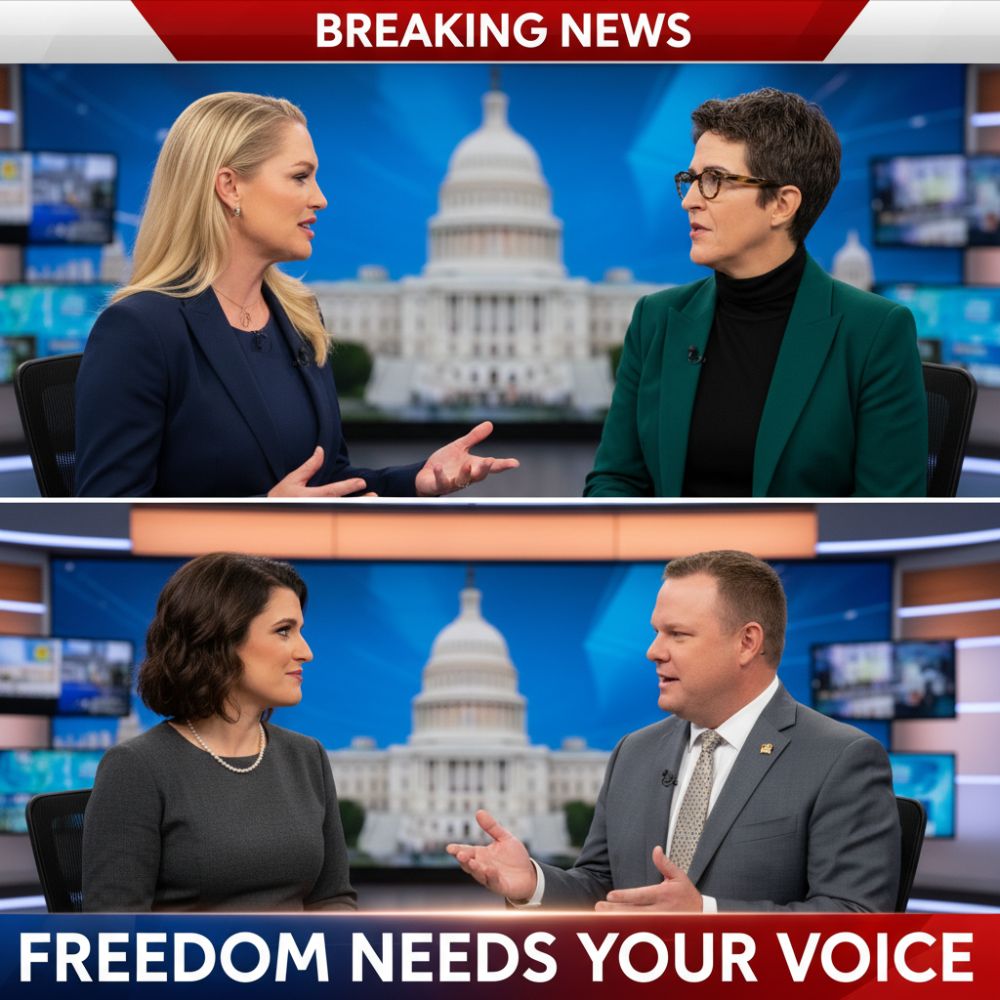
The conversation, held amid rising concerns over political repression, highlighted Maddow’s call for resilience and unity. As threats to dissent escalate under the second Trump administration, her words stir debate: Can intimidation backfire, galvanizing more opposition than it suppresses?
This discussion underscores a nation grappling with bullying tactics that challenge core freedoms, leaving many wondering if the American spirit of liberty will prevail.
Maddow, whose hosting style blends rigorous fact-checking with subtle humor, delved into the dynamics of power and resistance. She argued that efforts to intimidate critics often achieve partial success but ultimately provoke stronger backlash. “If you act intimidating toward people who are criticizing you or opposing you, then some people will be intimidated,” she said.
Yet, for every one silenced, “you will likely galvanize and even potentially radicalize 15 or 20 more.” This insight draws from historical patterns where oppression sparks movements, much like the civil rights era’s response to systemic bullying.
Tester, a Montana farmer-turned-senator whose folksy, profanity-laced commentary adds levity to serious topics, co-hosted the episode with Georgiou, a veteran journalist emphasizing facts and community.
The podcast, born from a half-joking email exchange in November 2024 after Tester’s electoral defeat and Georgiou’s departure from Scripps News, has grown into a platform dissecting legality in chaotic times.
Episodes probe issues like tariff policies, deportations without due process, and journalist arrests, always questioning: “Is this legal?”
Expanding on current events, Maddow addressed threats to journalists, a growing issue since 2025. Reports detail escalating hostility, including lawsuits against outlets like CBS and The New York Times, and public vilification labeling media as “enemies of the people.”
Her analysis echoes warnings from press freedom groups about a “structural attack” on media, mirroring authoritarian playbooks.
Georgiou guided the talk toward Maddow’s personal fortitude against threats, revealing how the anchor steels herself amid harassment. Maddow’s style—methodical breakdowns of complex issues, often with wry observations—contrasts with sensationalism, fostering viewer trust. She shared insights on news consumption’s future, urging audiences to seek reliable sources amid uncertainty.
A key segment focused on Democratic strategy. Maddow advocated reclaiming “Article One swagger” in Congress, referring to the Constitution’s vesting of legislative powers in a bicameral body to check executive overreach.
This includes powers like taxation, commerce regulation, and war declarations, designed to prevent unilateral actions.
She emphasized building a “very, very, very big tent” Democratic Party, echoing historical coalitions like Franklin D. Roosevelt’s New Deal alliance of labor unions, minorities, and Southern conservatives. “Whatever differences you think you’ve had with people across the political spectrum…
If that person wants us to stay a constitutional republic, they’re on your side now,” Maddow urged. This “popular front” approach prioritizes unity over ideology to defend democracy.
The podcast’s guest list, featuring figures like Richard Painter and Heather Cox Richardson, reflects its commitment to diverse voices. Tester’s career, spanning three Senate terms focused on rural issues and veterans, brings grounded perspective, while Georgiou’s journalism ensures balanced inquiry.
Maddow also teased her upcoming book project, promising fresh historical parallels to today’s challenges. She reflected on hypothetical interviews with Donald Trump and her most daunting past ones, maintaining her signature poise.
In conclusion, Maddow’s message resonates: American character leans toward freedom, resisting oppression.
Yet, as 2026 unfolds with ongoing probes into media and aid cuts to press freedom initiatives, the question lingers—will intimidation radicalize a new wave of defenders, or erode democratic norms? The answer may define the republic’s future.