

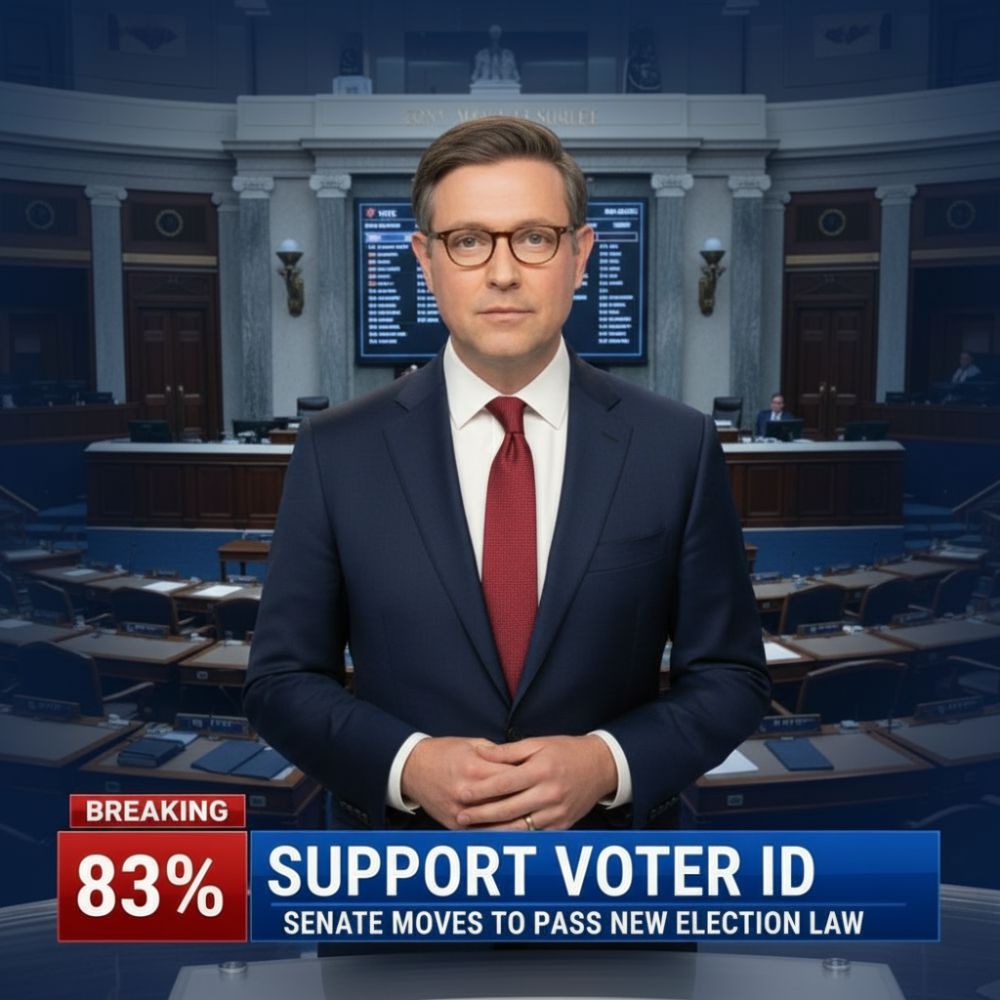
BREAKING: Massive Development on the Senate Passing the SAVE Act
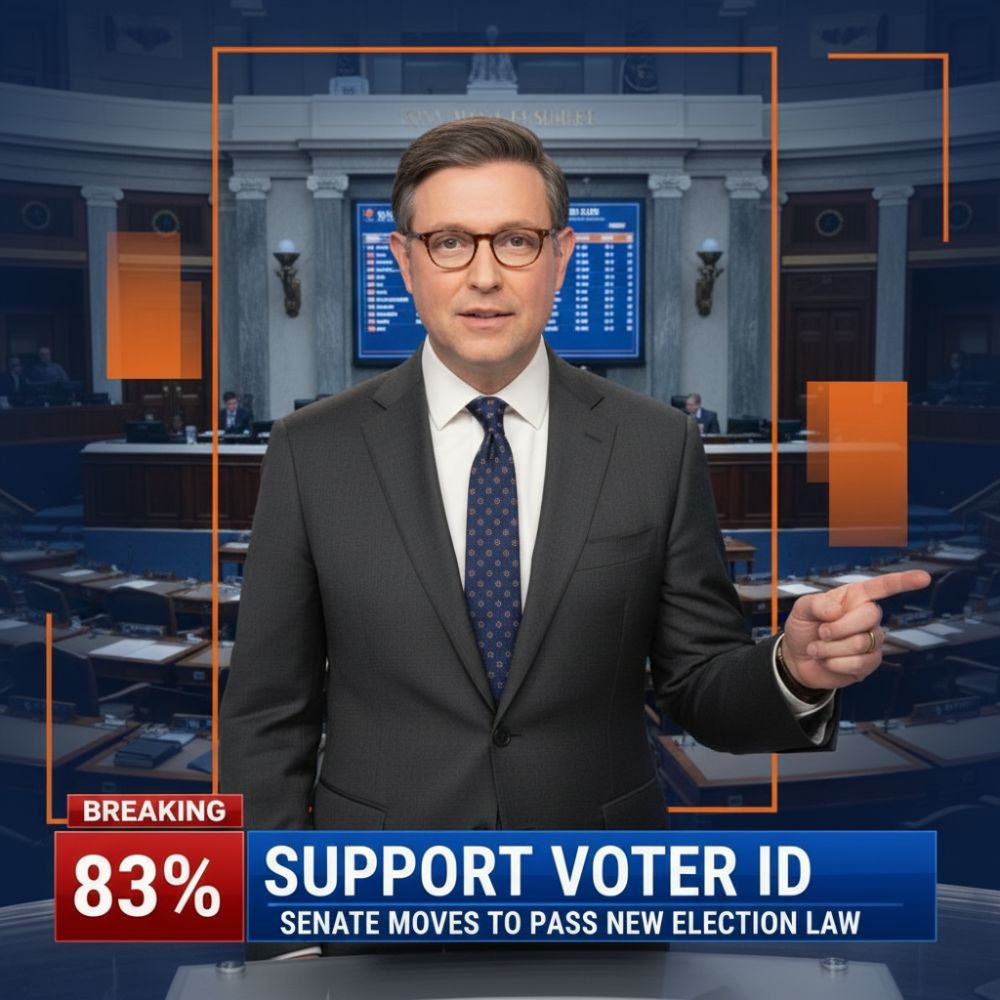
The legislative battle over election procedures has intensified as the Safeguard American Voter Eligibility (SAVE) Act moves to the United States Senate. Senate Minority Leader Chuck Schumer has publicly vowed to block the measure, setting the stage for a high-stakes political showdown. The legislation, which recently passed the House with near-unanimous Republican support, requires individuals to provide documentary proof of United States citizenship when registering to vote and mandates the presentation of photo identification at polling places.
During a recent television appearance, Schumer strongly criticized the proposal, arguing that the requirements would create unnecessary burdens for legitimate voters. He stated that the legislation reflects political bias and claimed it could prevent more than 20 million eligible citizens from voting. Democratic lawmakers frequently argue that obtaining specific IDs can be difficult for low-income individuals and minority groups, framing such requirements as discriminatory and restrictive to the democratic process.
THE DEBATE OVER VOTER ID AND DEMOGRAPHICS
Conversely, proponents of the SAVE Act argue that verifying citizenship and identity is a fundamental requirement for maintaining election security. Republican officials maintain that these measures are necessary to prevent noncitizens from participating in federal elections. Representative Jason Smith and other GOP leaders have pushed back against the opposition, asserting that enforcing the rule of law should be a bipartisan priority and questioning why anyone would oppose basic, widely accepted identification protocols.
Public opinion polling indicates that the concept of voter identification enjoys broad support across the political spectrum. According to an August 2025 survey conducted by Pew Research, approximately 83 percent of Americans, including a majority of Democrats, favor voter ID requirements. When broken down by demographic groups, the data reveals significant support among minority populations: 76 percent of Black respondents, 77 percent of Asian respondents, and 82 percent of Hispanic respondents expressed support for requiring photo identification.
THE FUTURE OF THE SAVE ACT IN THE SENATE
The SAVE Act’s journey highlights deep partisan divisions regarding election administration. While the bill cleared the House, it faces a steep climb in the Senate, where it will likely require 60 votes to overcome a filibuster. The lone Democratic vote in favor of the bill came from Representative Henry Cuellar of Texas, whose border district is over 70 percent Hispanic. This notable exception underscores the complex regional dynamics surrounding immigration and election security issues.
As the Senate prepares to debate the measure, rhetoric on both sides continues to escalate. Supporters insist it is a common-sense safeguard necessary for the integrity of future elections. Opponents maintain that the legislation is a solution in search of a problem, noting it is already illegal for noncitizens to vote and arguing that instances of such fraud are rare. The outcome of this legislative battle will undoubtedly have lasting implications for American election policy.