

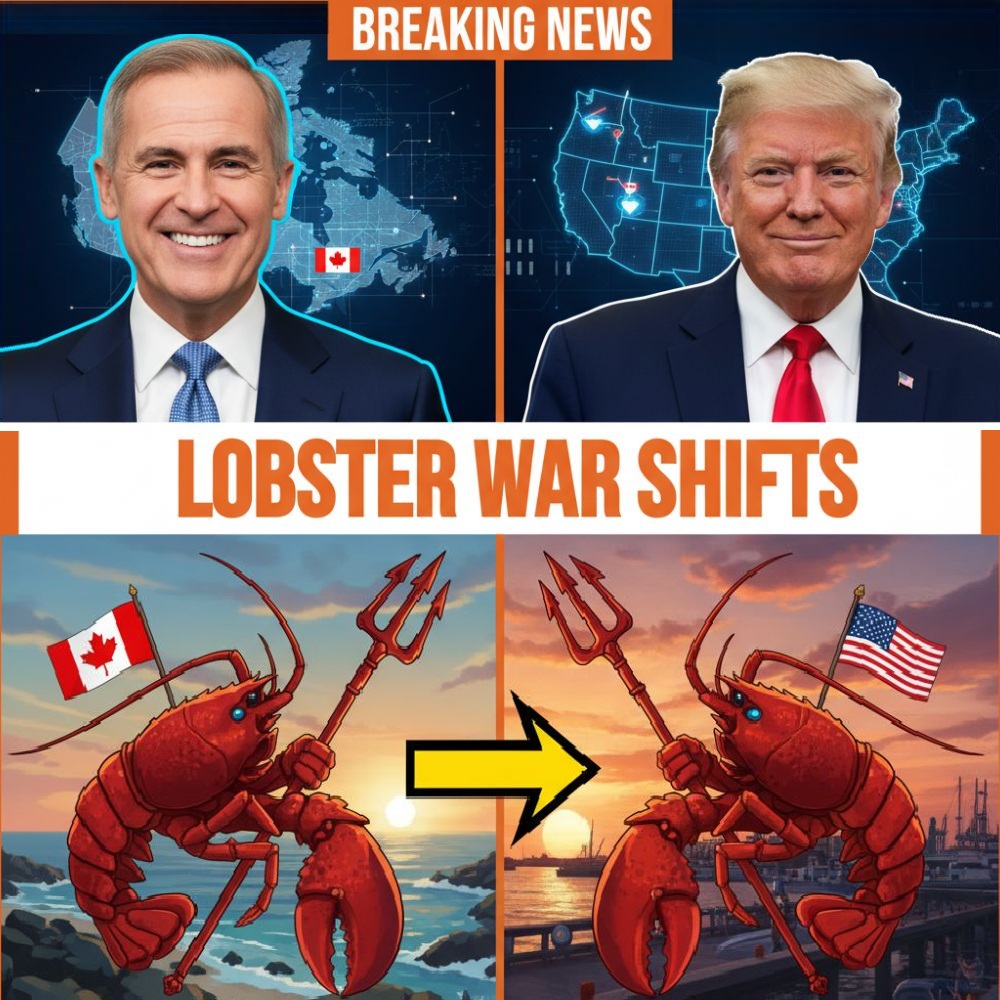
As U.S. Lobster Shipments Face Rejection, Canada Claws Its Way to the Top
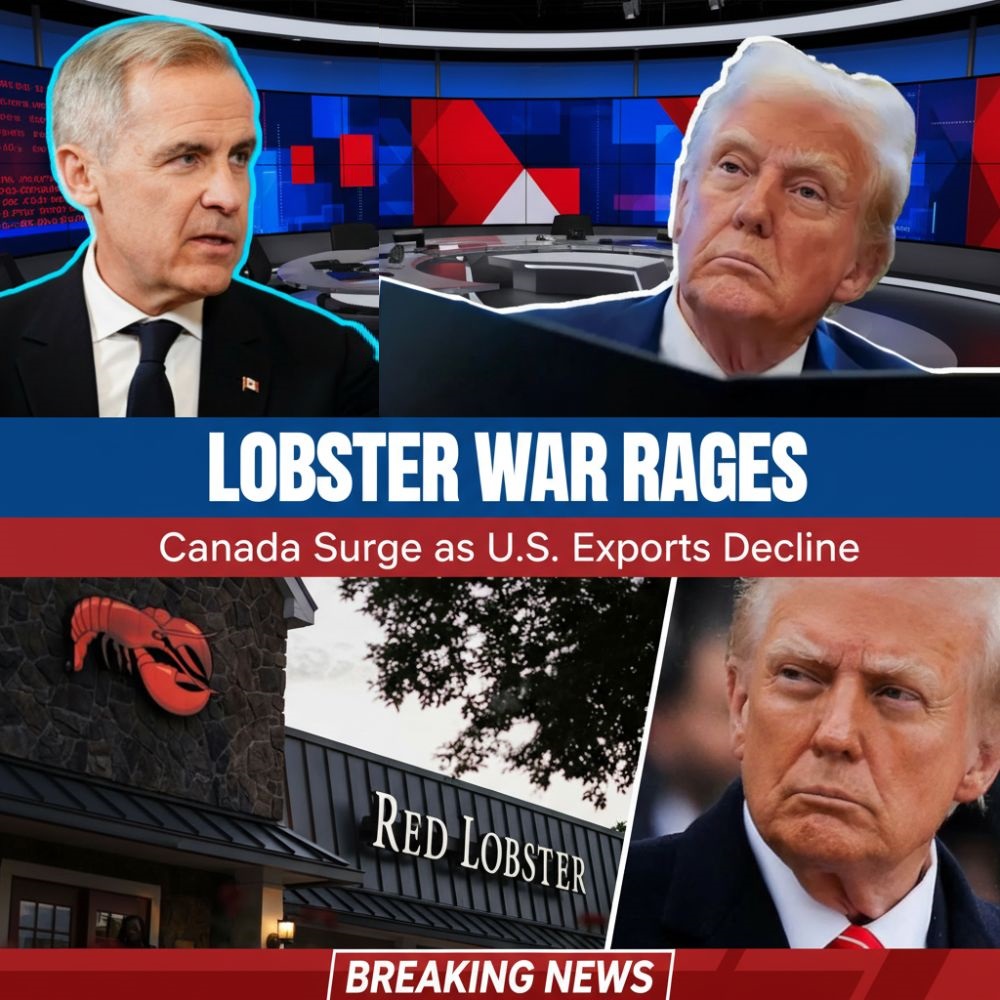
PORTLAND, Maine — For generations, the North American lobster industry has been defined by the fierce rivalry between the United States and Canada, with both nations vying for dominance in a global market that prizes the crustacean as a luxury delicacy. But a quiet trade reversal is now reshaping that competition, as Canadian exporters surge ahead with billion-dollar agreements while their American counterparts face mounting rejections in key international markets.
The shift, while gradual, has accelerated in recent months. Industry analysts point to a confluence of factors: stricter quality controls in importing nations, aggressive sustainability branding by Canadian producers, and diplomatic trade relationships that have opened doors while American exporters grapple with access and compliance hurdles.
“This is not simply a matter of market preference,” said Sarah Hollingsworth, a seafood industry analyst at the Fisheries Council of Canada. “What we are witnessing is a strategic realignment. Canada has positioned itself as a reliable, premium supplier at a moment when global buyers are demanding consistency, traceability, and sustainability. The United States, meanwhile, has struggled to maintain that same level of trust.”
The numbers tell a compelling story. Canadian lobster exports surpassed $3.2 billion in 2024, with new agreements in European and Asian markets locking in long-term supply contracts. In contrast, U.S. lobster shipments have faced repeated rejections in recent months, with customs authorities in several countries citing quality concerns, documentation discrepancies, and shifting regulatory requirements.
For American lobster fishermen in Maine, the nation’s largest lobster-producing state, the consequences are deeply felt. Dockside prices have remained volatile, and exporters describe a growing frustration with the perception that Canadian lobster is simply a safer bet for international buyers.
“We’re fishing the same waters, harvesting the same species, but the reputation gap is widening,” said David Cousens, a fourth-generation lobsterman and former president of the Maine Lobstermen’s Association. “Our Canadian counterparts have done an exceptional job branding themselves as the premium choice. Meanwhile, we’re stuck fighting battles over regulations and trade access that have nothing to do with the quality of our product.”
The divergence reflects broader dynamics in North American trade relations. Canada’s lobster industry has benefited from aggressive federal and provincial investment in marketing, sustainability certification, and diplomatic outreach. The Canadian government has prioritized seafood trade as a pillar of its economic strategy, negotiating favorable terms in trade agreements and positioning its fisheries as models of responsible management.
The United States, by contrast, has seen its seafood export strategy hampered by trade disputes, shifting regulatory landscapes, and a lack of coordinated federal support. The ongoing tariff wars and diplomatic tensions with key trading partners have made American products a less predictable commodity in markets where consistency is paramount.
“When you’re a buyer in China or the European Union, you want to know that the product arriving at your dock will meet expectations every time,” said Dr. Michaela Byrne, a trade economist at the University of Maine. “Canada has built a brand around that reliability. The U.S. has allowed its reputation to become entangled in broader political tensions, and the lobster industry is paying the price.”
For Canada’s coastal communities, the surge in demand has brought tangible benefits. Processing plants in New Brunswick and Nova Scotia have expanded operations, employment in the sector has grown, and the premium pricing secured through long-term contracts has provided stability that fishermen in Maine can only envy.
“We’ve worked hard to earn the trust of our buyers,” said Gilles Thériault, a lobster processor in Shippagan, New Brunswick. “It’s not just about the lobster—it’s about showing that we can deliver, consistently, year after year. That’s what buyers are willing to pay for.”
The timing of the shift sharpens the contrast. As global food standards tighten and competition in the seafood sector intensifies, the divergence between the U.S. and Canadian lobster industries may prove to be a turning point. What began as rejected shipments and market fluctuations could now redefine leadership in an industry where reputation is everything.
For American exporters, the path forward remains uncertain. Some industry leaders are calling for a coordinated national strategy to restore trust in U.S. seafood, while others warn that without significant investment in branding, sustainability certification, and diplomatic trade engagement, the gap will only widen.
“We have the same resource, the same heritage, the same expertise,” Mr. Cousens said. “But right now, Canada is winning the race for reputation. If we don’t figure out how to compete on that level, we’ll be watching from the docks while they take the lead for good.”