


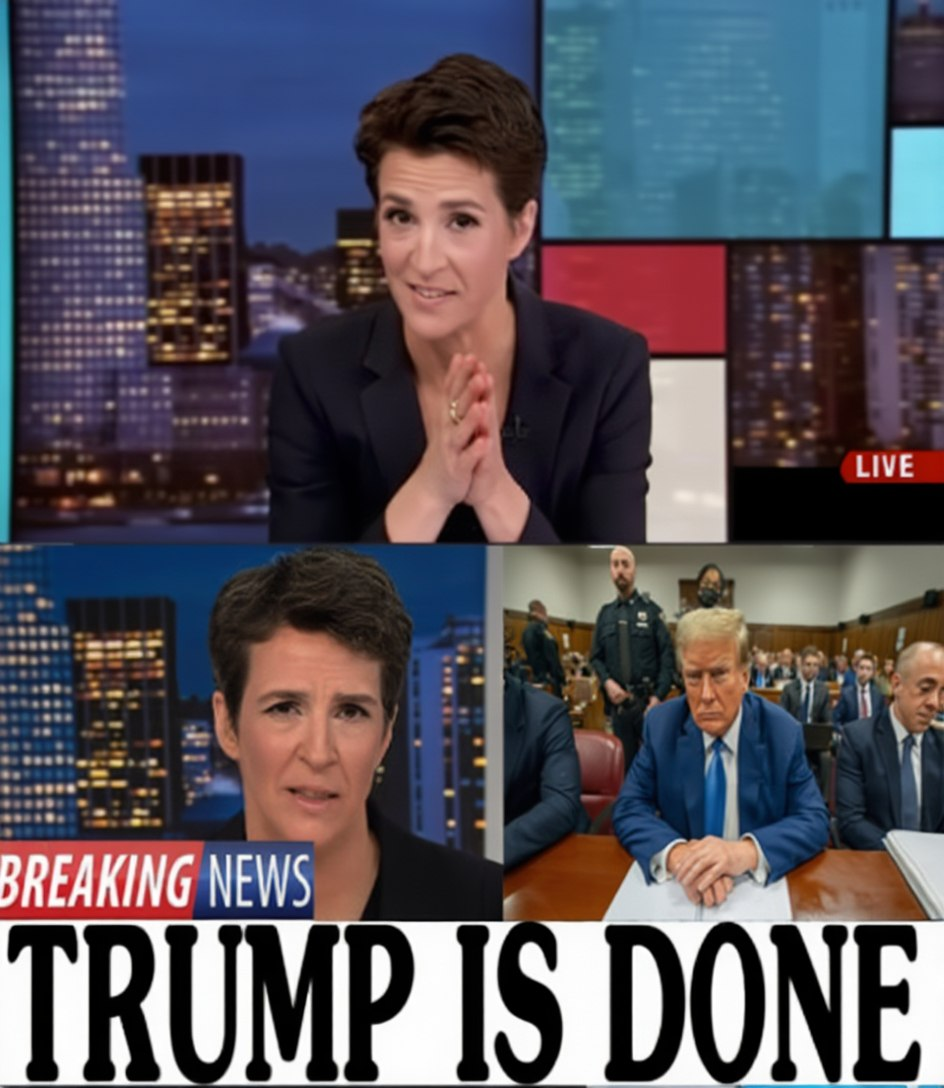
Shadow Deals: The Price of Power and the Echoes of Democratic Resistance
In the turbulent landscape of global politics, stories of transparency and accountability from world leaders are always at the center of public attention. Recently, MSNBC’s “The Rachel Maddow Show” exposed a series of shocking events, revealing murky activities, suspicious deals, and a system that appears to be exploited for the personal gain of those in ultimate power. From unusual relationships with foreign dictators to mysterious business deals and the baffling use of taxpayer money, the full picture of the former Trump administration is being painted in the dark hues of corruption and conflict of interest.
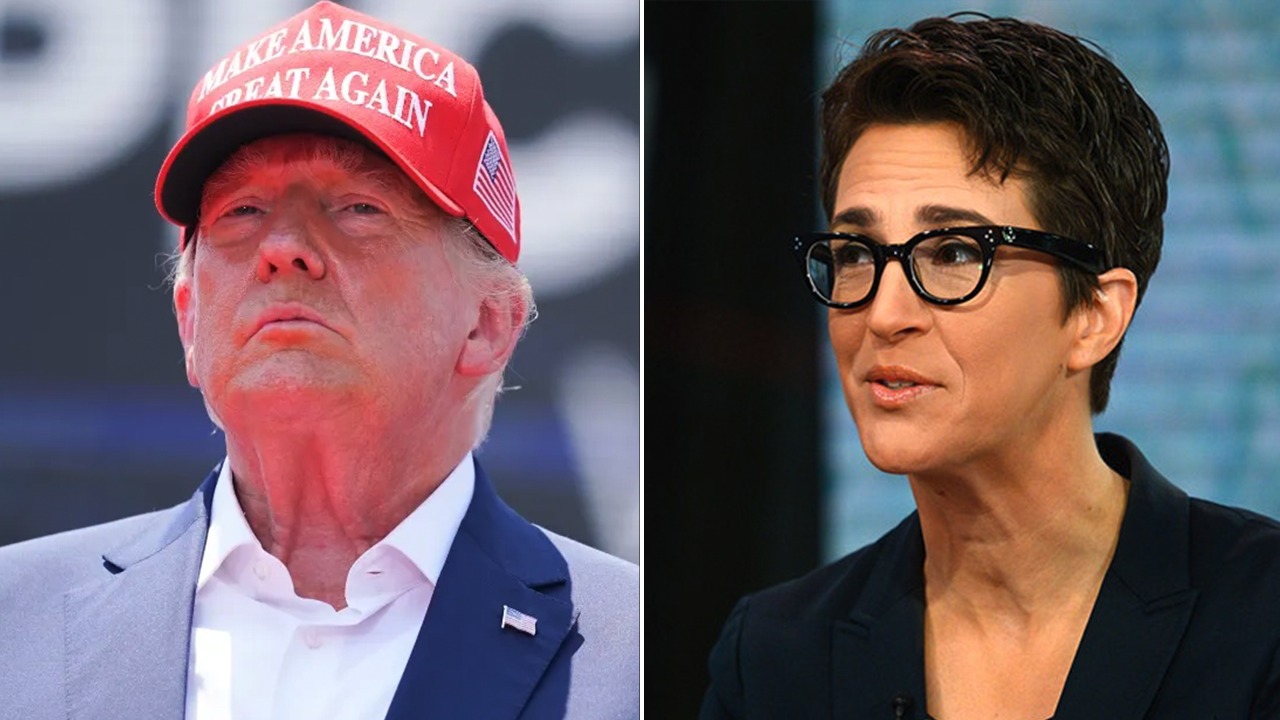
Unusual Relationships: From Egypt to Washington
The story begins with the puzzling relationship between President Donald Trump and the autocratic leader of Egypt, whom Trump affectionately called “my favorite dictator” during the 2016 campaign. This surprised many, as it is rare for a U.S. presidential candidate to publicly praise a military dictator, a move that runs counter to democratic values. However, Trump seemed undeterred, even “showering” this leader with inexplicable praise.
The peak of this abnormality was a private meeting between Trump and the Egyptian President just weeks before the 2016 election, at a time when Trump’s campaign was running out of money. Immediately after this meeting, a startling change occurred: Trump suddenly announced he could put another $10 million of his own money into his campaign as a loan, not a donation, implying he would expect to be paid back. This raised significant questions about the origin of the money and the connection between the meeting with the Egyptian President and Trump’s abrupt “change of heart.”
These suspicions deepened when The Washington Post published a bombshell report last year. According to the report, a secret Justice Department investigation was launched to determine whether Trump had taken money from Egypt, centered around a $10 million cash withdrawal from the National Bank of Egypt. Astonishingly, five days before Trump’s inauguration, an organization allegedly linked to the Egyptian Intelligence Service withdrew almost exactly $10 million in cash from the National Bank of Egypt. This sum, nearly the entire U.S. dollar cash reserve of the Egyptian government at the time, was stuffed into two large bags weighing a combined 200 pounds. The money then vanished without a trace.
Although seasoned investigators could theoretically trace such a sum, the investigation was shut down under Trump-appointed Attorney General Bill Barr, and the relevant bank accounts were never examined. This could have been a gigantic bribe to aid Donald Trump’s 2016 campaign, but it was concealed, leaving a major question without an official answer. To this day, years later, Trump still publicly thanks the Egyptian leader for what he did to help his campaign against Hillary Clinton, further deepening the mystery.
Family Interests: From Indonesia to Qatar
The allegations of using power for personal and family gain don’t stop with foreign relations. At an event in Egypt, President Donald Trump was caught on a hot mic talking to the President of Indonesia, mentioning that he would arrange a meeting for his son, Eric Trump, with the Indonesian leader. Eric Trump, who manages the Trump family business, holds no position in the U.S. government. A president arranging official meetings for a family member with the head of another country, especially when they run a private business, constitutes a serious conflict of interest.
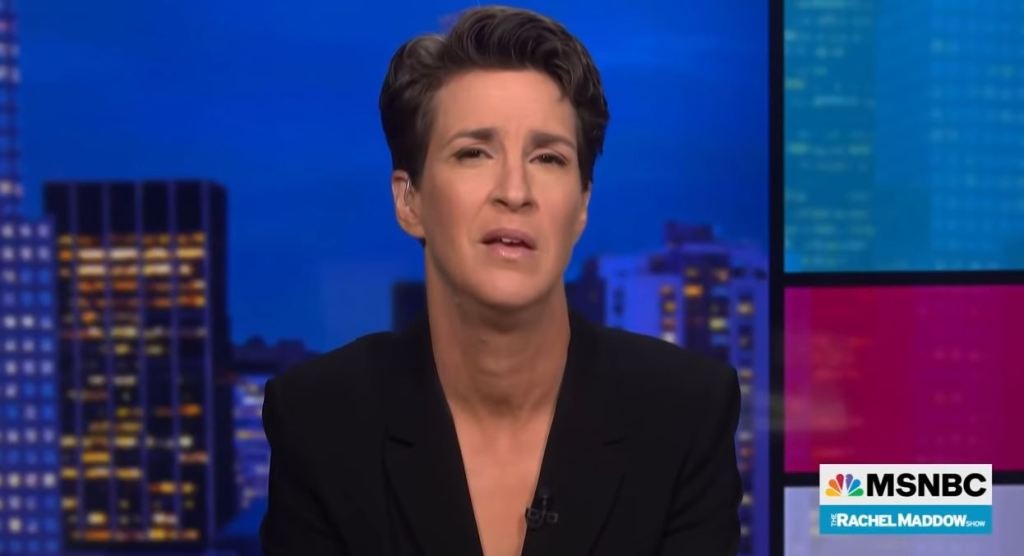
This incident occurred just one week after Eric Trump promoted the Trump family’s new golf course project in Indonesia, calling it a “stunning golf destination”. This suggests a clear link between political power and the Trump family’s business interests, with the president seemingly using his position to advance personal projects.
A similar story is told with Qatar. The nation, once accused by Trump of being a “funder of terrorism at a very high level”, surprisingly entered into a new luxury development deal with the Trump family. Subsequently, Qatar gifted Trump a $400 million luxury jet, which Trump planned to refit at taxpayer expense and keep for his presidential library after leaving office. Furthermore, Trump announced that if Qatar were attacked, the United States would respond as if it had been attacked itself, essentially granting Qatar a fake NATO membership without any formal process. These actions paint an alarming picture of state power being traded for material benefits for the president and his family.
The Argentina “Bailout” and the Trade-off of Public Interest
While the U.S. government was shut down, Trump’s Treasury Secretary, Scott Bessant, sent $20 billion of American taxpayer money to “bail out” the government of Argentina and stabilize its currency. This raises significant questions about the administration’s financial priorities. Despite Argentina’s currency having dropped 27% that year and the IMF having had to bail out the country 23 times, the U.S. pouring $20 billion into an economy with which it has almost no trade links was a baffling decision.
Even more suspiciously, at least two American billionaires very close to Scott Bessant had made big bets on the health of Argentina’s economy. If the U.S. government propped up this struggling nation, Bessant’s wealthy friends, including his former mentor on Wall Street, stood to make a huge profit. Conversely, they would lose a lot if Argentina failed. This points to an alarming possibility that U.S. taxpayer money was being used to protect the financial interests of a small group of individuals close to power, all while public services at home were stalled due to the government shutdown.
Echoes of Resistance: Democracy and Absurdist Protest
These incidents of corruption, self-enrichment, and abuse of power have sparked a powerful wave of protest from the American people. The program highlights that anywhere in the world, opposition movements to authoritarian governments focus on the corruption and self-enrichment of the leader, his family, and his cronies. When the rule of law is lost, when a professional government is weakened, and the democratic right to replace leaders is taken away, the strongman and his inner circle shamelessly use the government to enrich themselves.
However, the American people have shown they will not be silent. “Absurdist resistance” protests have erupted across the country. In Portland, protesters blew bubbles at ICE agents, hula-hooped, organized flash mob dances, and even went “ice fishing” by tying donuts to poles to “lure” federal agents. They appeared in comical costumes like chickens, frogs, unicorns, bananas, peacocks, pandas, raccoons, and astronauts, turning protests into humorous yet determined displays. Even when pepper-sprayed, they did not back down. This demonstrates a strong spirit of defiance, using humor and absurdity to challenge authority.
The upcoming “No Kings” protests on Saturday, October 18, are expected to be among the largest in American history, with over 2,500 locations nationwide. Organizers anticipate a “huge, boisterous, and joyful” event where all citizens, regardless of ideology or protest experience, can come together to affirm that “we don’t do kings in America”. These are not just isolated protests but part of a sustainable movement-building effort, training people in non-violence and communication tactics to confront the administration.
Conclusion
The truths revealed on “The Rachel Maddow Show” paint a disturbing picture of the erosion of democratic principles and the abuse of power for personal gain. However, they also demonstrate the power of the people to stand up and fight for the core values of a just and transparent society. In the current climate, maintaining public vigilance, transparency, and a critical spirit is crucial to protecting democracy from the shadows of deals and self-interest.