


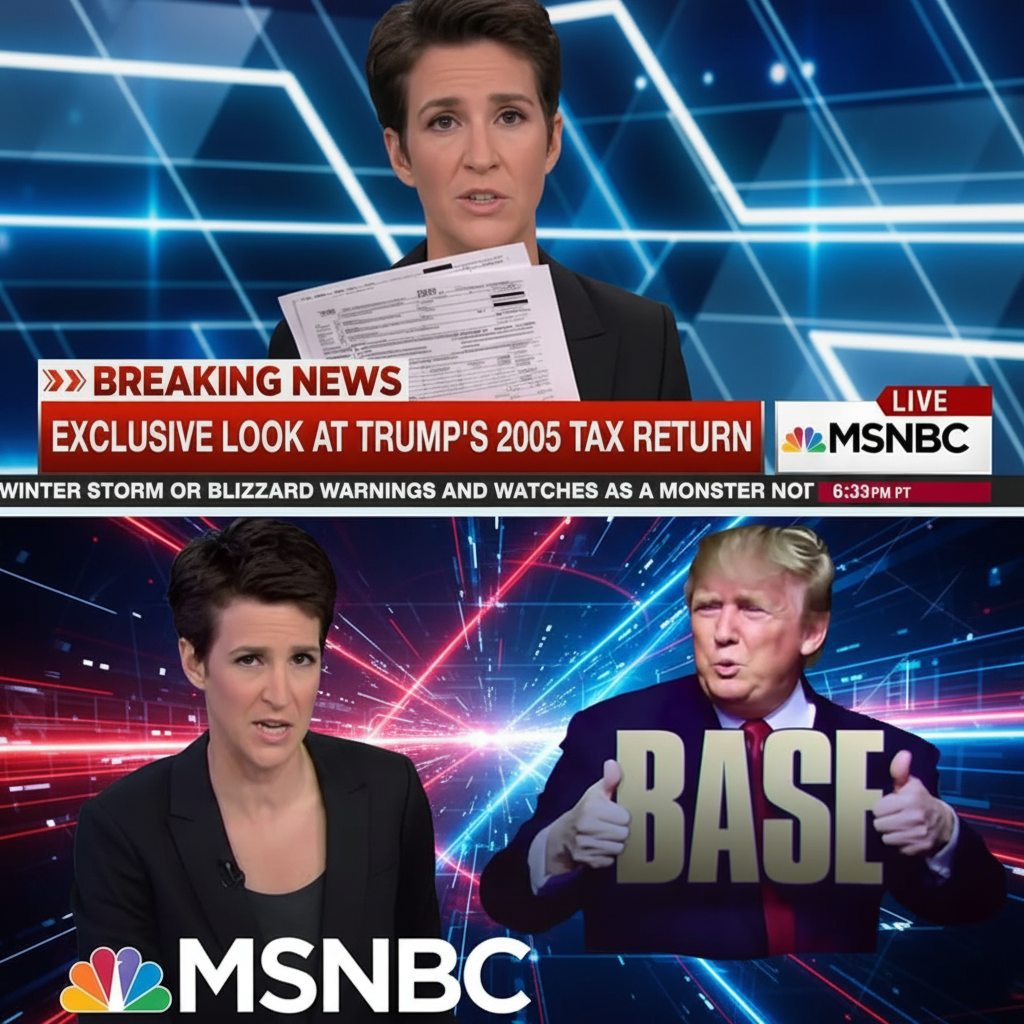
BREAKING NEWS: Rachel Maddow takes aim at Trump’s so-called “affordability hoax” on The Late Show, breaking down the politics of prices straight from your grocery cart.
Rachel Maddow Confronts Trump’s ‘Affordability Hoax’ Claim
Rachel Maddow, the influential MSNBC anchor, is known for her incisive take on political discourse. But on a recent appearance with Stephen Colbert on CBS’ The Late Show, Maddow delivered a message that cut through the usual cable news chatter: fact-checking politics doesn’t always require an expert. Sometimes, it’s as simple as looking at your own grocery bill.
Earlier that day, President Donald Trump—reinstated in office—had waved off a question about Americans’ frustrations with the economy. At a White House cabinet meeting, he declared, “affordability is a hoax” and dismissed concerns as “a Democratic con job.” The claim struck a nerve not just with economists, who pointed to rising consumer prices year-over-year (influenced in part by tariffs and other administration policies), but also with millions of Americans feeling the pinch in daily expenses.
Fact-Checking from the Checkout Line
Hours after Trump’s comments, Maddow joined Colbert behind the bar for a candid exchange, mixing Manhattans and trading political barbs. Maddow’s response to Trump’s remarks was straightforward—and relatable: “This one you can fact-check at home!” she quipped. “When you go to the grocery store and you get your bill, you can say, ‘Donald Trump says I can afford this’ and just see if it works. You may not have the money, but if Trump says that is a hoax, check it yourself at home.”
Maddow’s approach was not about complex charts or partisan rhetoric. Instead, she highlighted the disconnect between political messaging and everyday reality—a theme that resonated with Colbert’s audience. Her challenge to viewers was simple: don’t just accept what politicians say about the economy, test it against your lived experience.
Political Narratives vs. Everyday Realities
The Late Show exchange underscored a broader issue in American politics: the gap between official statements and the realities faced by ordinary people. Colbert, riffing on Maddow’s logic, joked, “He doesn’t have to fix it, because it doesn’t exist.” But the punchline landed with a sting, reflecting the frustration many feel when leaders downplay economic struggles.
Maddow also pointed out the bipartisan nature of the problem. Colbert noted that President Joe Biden, Trump’s predecessor, had also been criticized for downplaying inflation concerns and touting “the greatest economy of all time!” Maddow agreed, emphasizing that “the problem when politicians do stuff like that is everybody else has to live in the real world.” When politicians make claims detached from daily experience, “ultimately it comes back and bites them in the butt,” she added, to cheers from the studio audience.
Late Night, Real Talk: Why Maddow’s Message Matters
Late night television, particularly shows like Colbert’s, often serve as a cultural barometer for political mood. Maddow’s appearance was part of a line-up that night featuring other major guests, including Drive-By Truckers and Jason Isbell. But her segment stood out for its direct engagement with an issue central to millions: the cost of living.
The timing was no accident. With consumer prices climbing and economic anxiety simmering, Maddow’s call to “fact-check at home” reframed the debate. Instead of relying solely on experts or media reports, she encouraged Americans to draw from their own experiences—an approach that both empowers and grounds political conversation.
It’s a method that resonates in an era when trust in institutions and leaders is often shaky. Maddow’s challenge is a reminder that political claims should be measured against real life, not just rhetoric.
The Broader Context: Economic Anxiety and Political Spin
According to LateNighter, economists have linked recent price increases to policies enacted during Trump’s renewed presidency, including new tariffs. While administration officials have argued these measures are part of a broader strategy, many Americans report feeling squeezed at the checkout counter.
In the political arena, dismissing economic hardship as a “hoax” can backfire. Maddow’s remarks highlight a growing impatience among voters for accountability and honesty. As she pointed out, “When they’re say things they believe are from the real world and palpably are not, ultimately it comes back and bites them.”
The conversation on The Late Show wasn’t just about fact-checking; it was about reclaiming the narrative from spin and spectacle, bringing it back to the ground level where policy meets reality.
Rachel Maddow: Voice of Skepticism and Civic Engagement
Maddow’s style is skeptical but constructive. By urging viewers to “fact-check at home,” she’s not dismissing expertise—she’s inviting ordinary people into the process. It’s a subtle but important shift. Rather than feeling powerless in the face of political spin, audiences are reminded they have the tools to judge for themselves.
This approach is especially potent in 2025, when polarization remains high and trust is often in short supply. Maddow’s message, delivered with humor and candor, offers a practical antidote to frustration: measure political claims against your own experience, and demand accountability from those in power.
Maddow’s Late Show appearance exemplifies the power of accessible, everyday fact-checking. Her challenge to “test the hoax” in real life is both a clever media moment and a potent reminder that democracy depends on engaged, skeptical citizens. By shifting the conversation from political theater to personal experience, Maddow reinforces the essential link between leadership and the lived realities of the people they serve.