

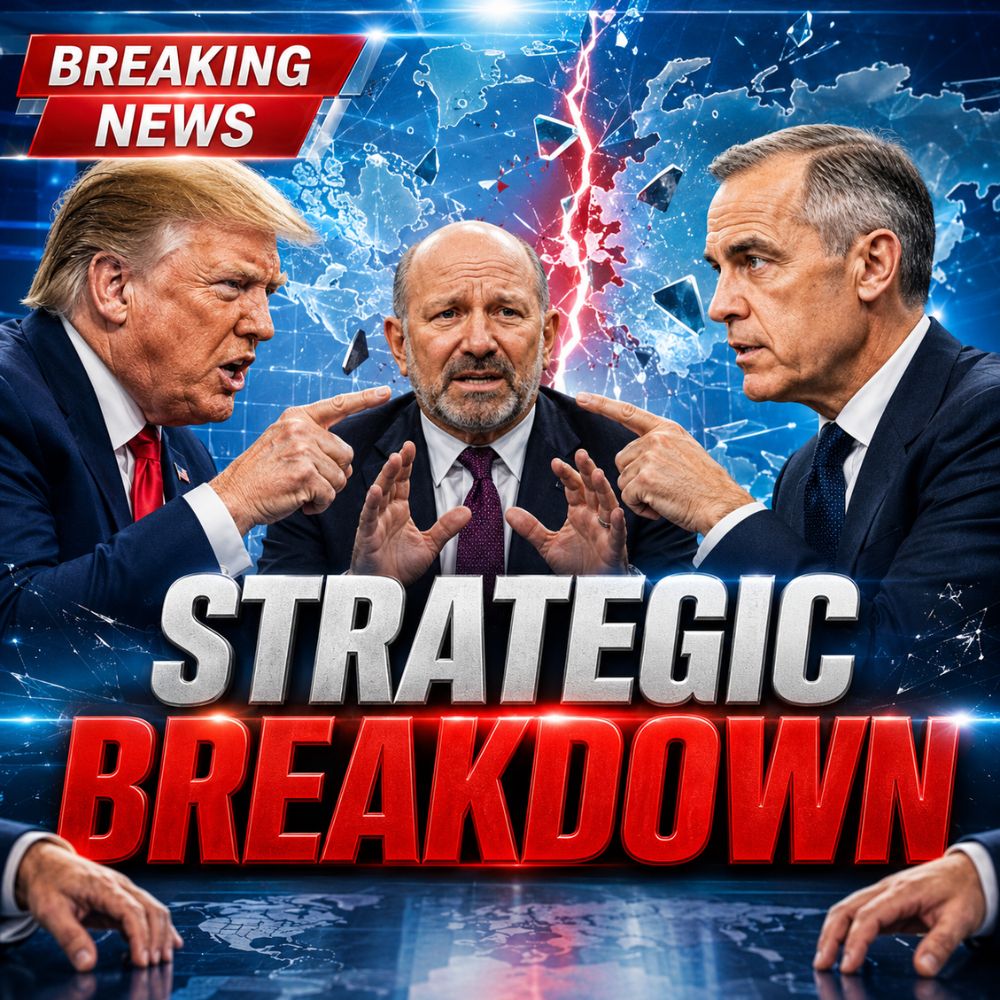
On the evening of Tuesday, March 31, 2026, the rhetoric of triumph that once radiated from Washington has been replaced by the grim silence of a geopolitical catastrophe. High-level reporting from the Wall Street Journal and independent defense analysts suggests that the current administration is in a state of sheer panic, actively preparing to abandon the conflict with Iran in what many military historians are already labeling the most humiliating strategic defeat in modern American history.

The Search for an Off-Ramp
The commander-in-chief has reportedly issued explicit instructions to his inner circle: find an immediate “off-ramp.” The objective of the mission has shifted overnight. What was once a loud, public campaign for “regime change” and the total “erasure” of Iran’s nuclear program has been downgraded to a desperate attempt to “degrade conventional capabilities.”
The vital Strait of Hormuz—the world’s most critical energy artery—remains in a total deadlock. Intelligence assessments have finally pierced the White House bubble, forcing officials to admit that any attempt to forcibly reopen the strait would drag the United States into a prolonged, unwinable quagmire far beyond the initial 4-to-6-week victory timeline promised to the public.
A New Era of Warfare: Drones vs. Legacy Power
The failure of the U.S. strategy highlights a fundamental misunderstanding of modern 2026 warfare. While Washington relied on legacy air power and conventional tank battalions, the battle space is currently dominated by first-person view (FPV) drone swarms, loitering munitions, and precision ballistic missiles.
Iran is not a disorganized insurgency of “religious fanatics,” as some retired generals have claimed. Instead, it is a technologically advanced society whose engineering sectors have mass-produced the exact cutting-edge weaponry that has stalemated Western systems. By underestimating Iranian ingenuity, the administration has seen its strategic infrastructure systematically dismantled by asymmetric technology.
The Crumbling Narrative of “Victory”
The contradictions coming out of the State Department are glaring. Just last week, the President claimed that Iran’s missile capabilities were “fully obliterated.” Yet, new directives published by top diplomats like Marco Rubio list “diminishing missile launching capabilities” as a primary new goal. Absent from this new checklist are the foundational justifications for the war: regime change, nuclear dismantlement, and securing the Strait.
The strategic fallout is absolute:
Sovereign Blockade: Iran has codified a law claiming total ownership over the Strait of Hormuz, charging tolls to allies while blockading the U.S. and Israel.
Economic Surrender: Sanctions on Iranian and Russian oil have effectively collapsed, empowering Moscow, Beijing, and Tehran while American energy security hangs by a thread.
Abandoned Bases: In the last 48 hours alone, 13 major U.S. military bases across the Middle East have been abandoned following precision strikes.
Domestic Fracture and Surreal Priorities
As the region burns, the President’s domestic standing has hit an abysmal 33% approval rating. Despite the global crisis, reports indicate the commander-in-chief is preoccupied with legacy projects—constructing massive presidential libraries in Miami and proposing his likeness for the $100 bill.
Meanwhile, the political coalition that once championed this aggression is fracturing. Even die-hard MAGA commentators are denouncing the administration, as supporters realize the “America First” isolationism they were promised has been replaced by a disastrous foreign war that is claiming the lives of their children.
The Ultimatum from the Gulf
The situation has reached a breaking point with America’s regional partners. The UAE, Bahrain, Kuwait, and Saudi Arabia—nations that invested billions into the administration’s private financial ventures in exchange for a security umbrella—are issuing a stark ultimatum. With their own domestic infrastructure being hammered by Iranian missiles, they have informed Washington: “You cannot abandon us.”
If the United States executes a full retreat, these Gulf states will have no choice but to forge a new regional security architecture. Waiting in the wings to broker this new order are Russia and China, signaling the end of American hegemony in the Middle East. The administration is looking for the emergency exit, but for the first time in decades, the door may be locked from the outside.