

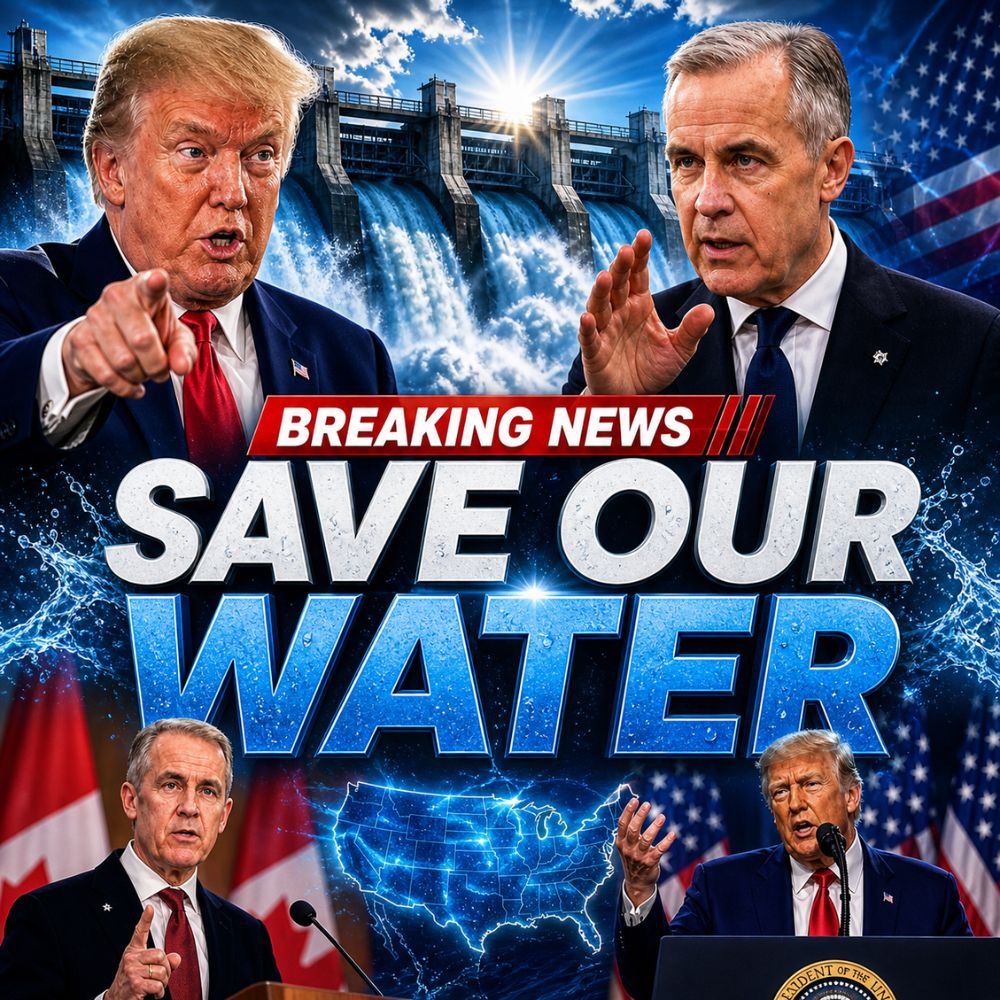
Trump’s Water Gambit Tests the Limits of North American Partnership
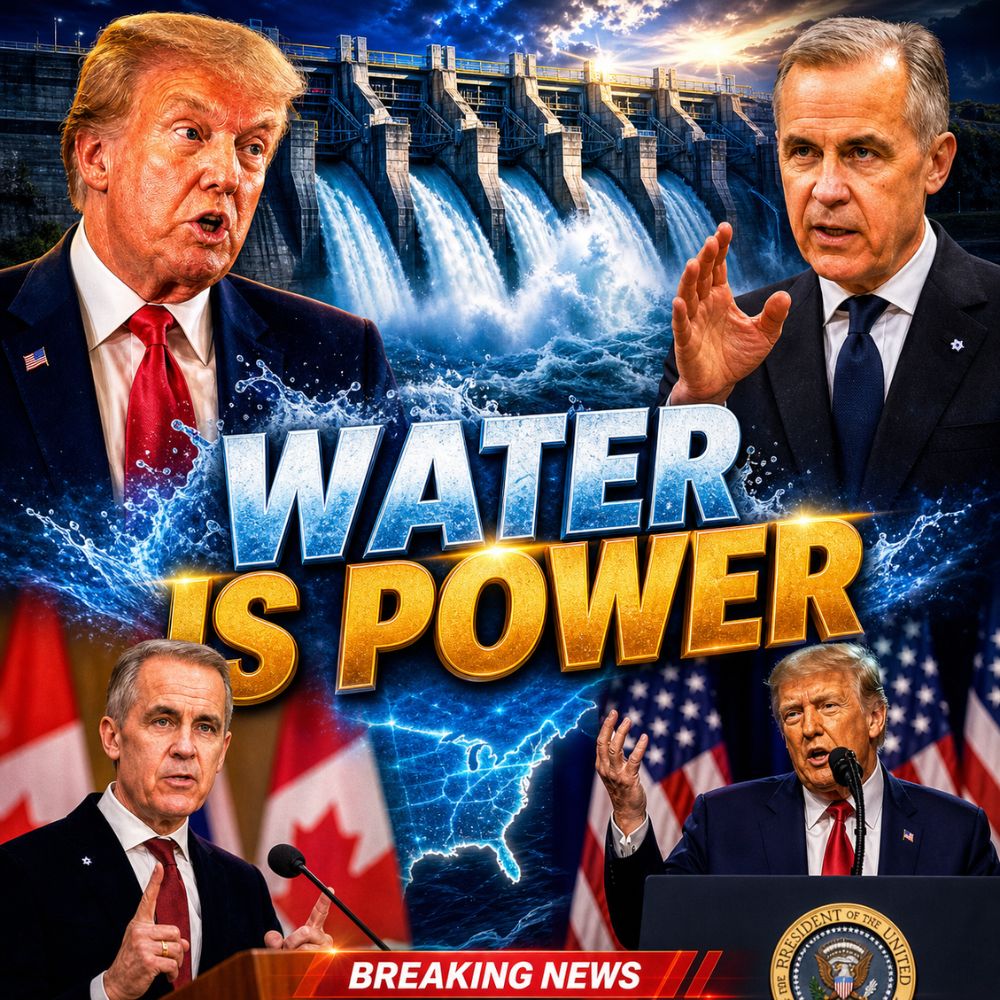
As devastating wildfires scorched Los Angeles and reservoirs across the American West dipped toward historic lows, President Donald Trump turned his gaze northward. Canada, he suggested, holds a vast “large faucet” of fresh water — millions of gallons flowing from snow-capped mountains and immense lakes — that could help ease the deepening crisis south of the border. The comments, once framed as a pragmatic warning about scarcity, quickly ignited a sharp debate over resources, sovereignty, and the future of two nations long bound by geography and uneasy alliance.
British Columbia’s announcement that the U.S. government had paused negotiations on the Columbia River Treaty only intensified the spotlight. The 1964 pact, which governs flood control, hydropower, and water flows along the river system stretching from British Columbia into the Pacific Northwest, had been under modernization talks for years. Now, amid a broader review of international engagements by the Trump administration, those talks sit in limbo. The pause comes as Trump has repeatedly highlighted Canada’s abundant freshwater reserves while pressing grievances on trade and border issues.
For many in the drought-stricken states of Arizona, Nevada, and California, the logic seems straightforward. Lake Mead and Lake Powell have shrunk dramatically, exposing boat ramps that end in dust and mineral rings marking decades of decline. Farmers have fallowed fields, cities have imposed strict conservation measures, and billions have been spent on desalination, recycling, and infrastructure upgrades — yet demand continues to outpace supply. In this context, Trump’s suggestion of greater access to Canadian water reads to supporters as common-sense cooperation between neighbors facing a shared continental challenge.
Prime Minister Mark Carney delivered Canada’s response with unmistakable clarity. Canadian fresh water, he stated, is not a commodity to be traded on the international market. It forms part of the nation’s identity, its ecosystems, and its cultural fabric. “Water is a public trust,” Carney emphasized, arguing that treating it as an export risks ceding control to foreign interests, trade agreements, and corporate pressures that could erode domestic sovereignty. Once water begins flowing south in large volumes — whether through pipelines or revised treaties — reversing course could prove diplomatically and legally difficult.
Canada’s position draws on both principle and pragmatism. The country holds roughly one-fifth of the world’s accessible fresh water, with vast lakes, rivers, and wetlands sustaining ecosystems, indigenous communities, fisheries, agriculture, and tourism. For many Canadians, exporting bulk water evokes fears of losing authority over a resource that defines the nation’s geography and way of life. History offers cautionary tales of natural resources shifting under foreign influence, and large-scale diversions could disrupt delicate environmental balances that have endured for millennia. Repairing damaged river systems, wetlands, or salmon habitats is rarely straightforward.
The dispute reveals two contrasting philosophies. On one side lies an American imperative shaped by rapid population growth, agricultural demands, and booming desert cities that show little sign of shrinking. Decades of warnings from scientists about climate-driven scarcity — hotter temperatures, shifting precipitation patterns, and overtaxed aquifers — have materialized in the Colorado River basin and beyond. Proponents of water-sharing see potential for engineering solutions, revenue for Canada, and strengthened cross-border ties in an era when practical cooperation could benefit both nations.
On the Canadian side stands a deeper wariness. Even well-intentioned agreements, Carney and others argue, can evolve under the weight of economic disparity and international trade rules. A smaller nation risks finding its policy options constrained by contracts and expectations it cannot easily unwind. Water, in this view, is not oil or natural gas to be pumped across borders; it is the lifeblood of the land itself, tied to belonging, security, and long-term ecological responsibility.
The Columbia River Treaty pause adds a concrete layer to the rhetoric. The agreement has delivered mutual benefits in flood management and clean hydropower for decades. Its modernization was meant to update those arrangements for a changing climate and ecosystem needs, including salmon restoration. Uncertainty now ripples through communities on both sides of the border, raising questions about future electricity generation, flood risks, and regional stability in the Pacific Northwest.
Yet the broader conversation extends beyond any single treaty. Climate pressures are reshaping water availability across North America, forcing difficult choices. The American West illustrates the cost of inaction: shrinking reservoirs, strained agriculture, reduced hydroelectric output, and urban areas locked in permanent conservation mode. Canada, meanwhile, must safeguard its natural inheritance without isolating itself from its largest trading partner.
Carney has framed the issue in terms of sovereignty and foresight. A nation that controls its water controls its future, he suggests; one that surrenders too much of it invites external leverage over domestic decisions. Supporters in the United States counter that shared challenges demand shared solutions, and that rejecting dialogue outright serves no one as scarcity intensifies.
As wildfires, droughts, and shifting demographics continue to test the continent, the water question is unlikely to fade. It pits immediate human and economic needs against long-term stewardship. It pits one country’s abundance against another’s urgency. And it forces both Ottawa and Washington to weigh partnership against the hard edges of national interest.
The coming years will reveal whether the two neighbors can navigate this elemental tension through diplomacy and innovation — or whether water, the most basic requirement of civilization, becomes the fault line that quietly reshapes relations between them. For now, Carney’s refusal stands firm, leaving many Americans unsettled and the future of continental water management hanging in delicate balance.